 Art
Art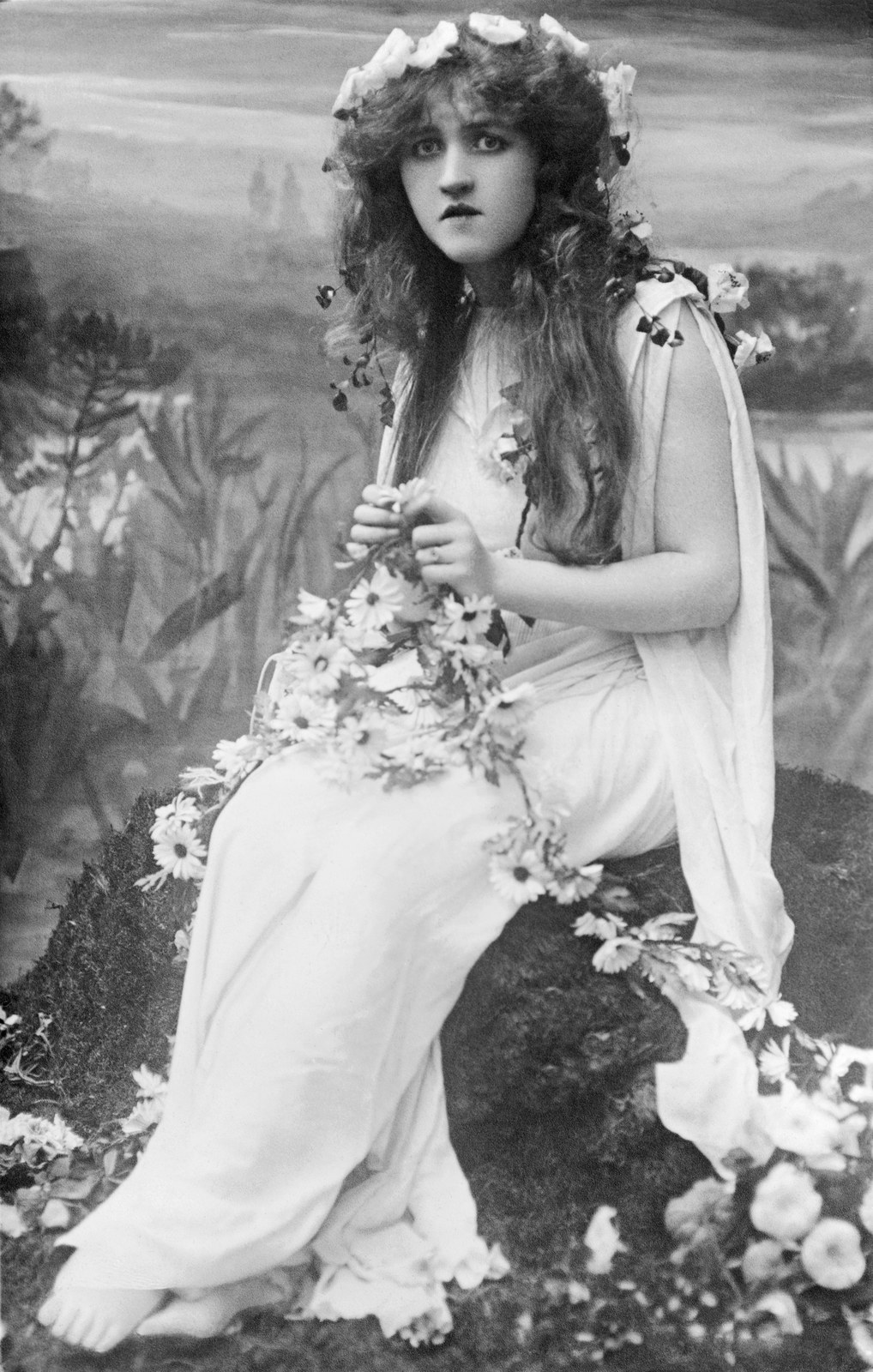
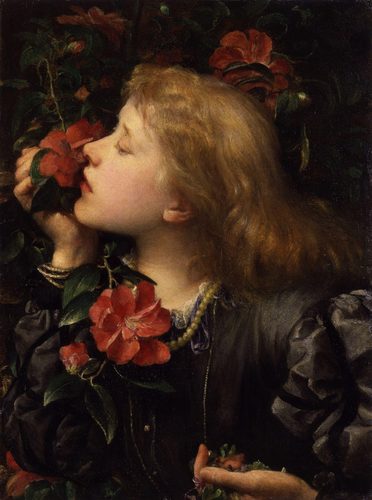
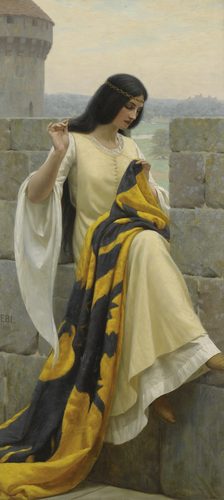
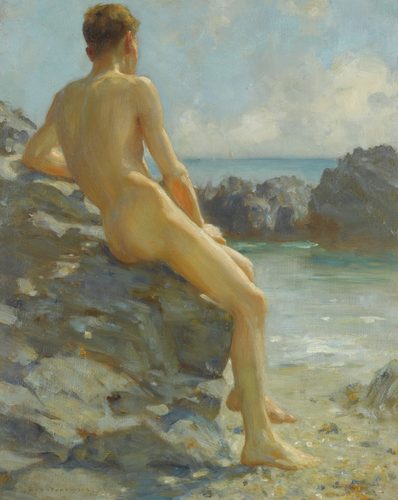
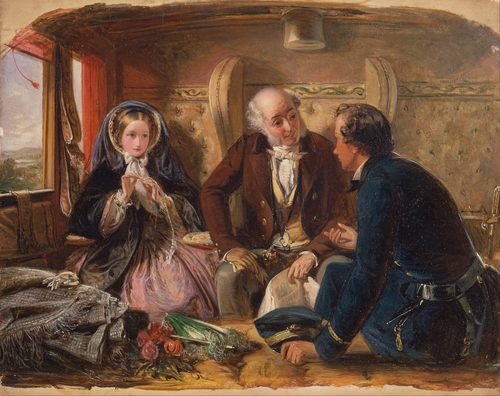
Victorian art refers to the visual art produced in Britain during the reign of Queen Victoria, from 1837 to 1901, a period of rapid industrialization, imperial expansion, and an increasingly wealthy middle class hungry for pictures. Unlike earlier eras where the church or crown commissioned most major work, Victorian art answered to a broad paying public: manufacturers, merchants, and professionals who wanted paintings that told a story, taught a lesson, or transported them somewhere finer than a factory town. Exhibition societies like the Royal Academy became the arena where reputations were made, and illustrated magazines and photographic reproduction carried images to audiences that had never set foot in a gallery. The result was a restless, plural art world: academic painters pursued polished classical and historical scenes, the Pre-Raphaelites rebelled against them with jewel-colored medievalism, and by the century's end aesthetes argued art should serve beauty alone. Underneath the surface variety runs a shared Victorian anxiety — about faith under pressure from science, about the costs of progress, and about how to hold onto meaning in a mechanized age.
The look: what defines Victorian Art
Narrative detail
Victorian paintings are crowded with legible clues — a dropped letter, a caged bird, a half-eaten meal — meant to be read like a novel. Genre scenes reward close looking, rewarding viewers who decode moral or social meaning from small domestic props.
Medieval revival
Pre-Raphaelite and Gothic Revival artists borrowed pointed arches, jewel tones, and flattened medieval space, reacting against factory smoke with an imagined age of craft and chivalry. Stained glass, illuminated lettering, and dense floral patterning recur across painting, furniture, and books.
Photographic finish
Academic and Pre-Raphaelite painters alike prized minute, almost hallucinatory detail — every leaf, thread, and eyelash rendered with near-microscopic precision, a discipline sharpened by the new competing technology of photography itself.
Moral and social subjects
Paintings frequently double as parables: fallen women, honest laborers, orphaned children, and temperance scenes carry explicit ethical weight, inviting Victorian viewers to feel pity, admonition, or reassurance about their own conduct.
Ornament and pattern
Under the Aesthetic and Arts and Crafts movements, densely patterned wallpaper, textiles, and stained glass treated ornament as worthy in itself, not mere backdrop — a reaction against machine-made clutter through honest, hand-finished materials.
Imperial and exotic themes
Orientalist and imperial subjects — bazaars, deserts, colonial landscapes — appear often, filtered through a British viewpoint shaped by trade routes and military campaigns, presenting distant places as spectacle for a stay-at-home audience.
The story
When Victoria took the throne in 1837, the Royal Academy's annual exhibition was already the arena where British reputations were made and lost. Academic art — polished, legible, often drawn from history, literature, or classical myth — dominated its walls, prized by a rising merchant and industrial class eager to display taste alongside wealth.
In 1848, a group of young painters calling themselves the Pre-Raphaelite Brotherhood rebelled against that academic polish, arguing it had grown formulaic since Raphael. They looked instead to the sharp color and sincere detail of art before the High Renaissance, painting medieval romance, Shakespeare, and modern moral subjects with startling clarity and saturated hue — work that scandalized critics before winning influential defenders.
By the 1860s and 1870s, a further reaction set in: the Aesthetic movement, arguing art needed no moral or narrative justification at all, only beauty — "art for art's sake." Painters and designers pursued harmony of color and form over storytelling. Alongside it, the Arts and Crafts movement answered industrial mass production with a revival of handcraft, medieval guild ideals, and honest materials in furniture, textiles, and books, reshaping British design far beyond painting.
By Victoria's death in 1901, this plural, argumentative art world — academic, medievalist, aesthetic — had already begun ceding ground to the sharper breaks of early modernism on the continent.
Timeline
- 1837Victoria ascends the throne, beginning the era
- 1848Pre-Raphaelite Brotherhood founded by young rebel painters
- 1851Great Exhibition at the Crystal Palace showcases industrial design
- 1861William Morris founds his design firm, seeding Arts and Crafts
- 1868c. Aesthetic movement gains momentum among painters and designers
- 1877Grosvenor Gallery opens, championing Aesthetic movement painters
- 1887Arts and Crafts Exhibition Society founded in London
- 1901Victoria dies, closing the era
Works to know
| Work | Maker | Date | Why it matters |
|---|---|---|---|
| Ophelia | John Everett Millais | 1851–1852 | Pre-Raphaelite icon painted from a live model in a bathtub, fusing Shakespearean tragedy with botanically exact wildflowers. |
| The Lady of Shalott | John William Waterhouse | 1888 | Late Pre-Raphaelite vision of Tennyson's doomed weaver, epitomizing Victorian taste for literary tragedy and medieval atmosphere. |
| Crystal Palace | Joseph Paxton | 1851 | Prefabricated iron-and-glass exhibition hall built for the Great Exhibition, a landmark of industrial-age design and engineering confidence. |
| Work | Ford Madox Brown | 1852–1865 | Panoramic street scene cataloguing Victorian social classes and labor, a manifesto for art with explicit moral and social purpose. |
| Peacock Room | James McNeill Whistler | 1876–1877 | Opulent blue-and-gold dining room interior, a defining statement of the Aesthetic movement's art-for-art's-sake ideal. |
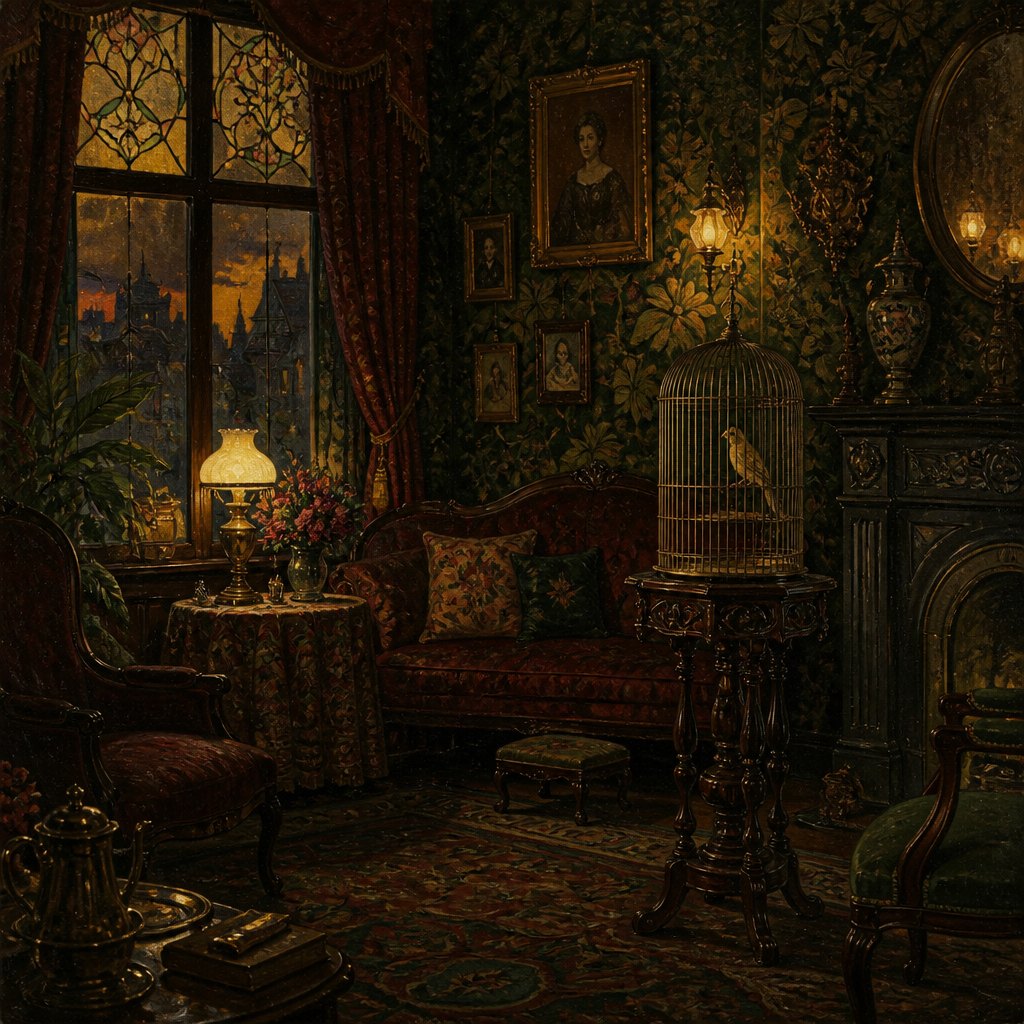 AI-generated
Make it yourself
Create art in the Victorian Art spirit
This interpretation was generated from a prompt like: “A densely patterned Victorian parlor interior at dusk, gaslight glowing amber through stained glass, deep botanical wallpaper, a caged songbird on a carved wooden stand, oil-painting texture with fine glazed detail, moody greens and burgundy, ornate gilt framing the composition.”
Open the Victorian Art Style generator →How to evoke the period
Aim for a crowded, legible scene rather than a spare one — Victorian pictures reward close looking, so include small symbolic props: a dropped object, a caged creature, a half-finished letter. Render detail with near-photographic precision, especially foliage, fabric, and hands. Lean on a rich, slightly somber palette — deep reds, mossy greens, gaslight amber — punctuated by one saturated jewel tone borrowed from stained glass. For architecture, favor pointed arches, dense floral wallpaper, or wrought iron and glass in the industrial mode. Compose with a clear foreground story and a hazier, soot-tinged distance suggesting factory or city beyond. Finish surfaces smoothly, with fine glazes rather than visible brushwork, and let ornament — pattern, tracery, carved wood — carry as much meaning as the central figures.
What it left behind
Victorian art's arguments outlived the queen. The Pre-Raphaelite insistence on sincerity and closely observed nature fed into early twentieth-century illustration and fantasy art, while the Aesthetic movement's art-for-art's-sake stance opened the door to modernist abstraction's break from storytelling altogether. Arts and Crafts ideals — honest materials, hand skill, dignity of labor — shaped design reform movements across Europe and North America, echoing later in mid-century craft revivals and even contemporary maker culture. The era's appetite for narrative detail and moral seriousness in imagery persists in illustration, book covers, and period-set film and games, which still reach for Victorian visual cues — gaslight, pattern, and gothic silhouette — as shorthand for a world caught between faith and machinery.
Frequently asked questions
What is Victorian art?
Victorian art is the visual art made in Britain during Queen Victoria's reign, 1837 to 1901, spanning academic history painting, the Pre-Raphaelite Brotherhood's medieval revival, and the Aesthetic and Arts and Crafts movements' reactions to industrial mass production.
What made the Pre-Raphaelites controversial?
Their bright, unblended color and unidealized, closely observed figures broke sharply with the soft, dark polish of academic painting, and critics initially attacked their work as ugly and amateurish before influential support turned opinion around.
Why does Victorian art look so detailed?
Painters prized minute, near-microscopic rendering of leaves, fabric, and faces partly to rival the new technology of photography and partly because dense visual detail let viewers 'read' a painting's story and moral like a novel.
How did industry shape Victorian art?
Factories and railways created new wealthy patrons who wanted art, while mechanized mass production also provoked backlash — the Arts and Crafts movement championed handcraft as an antidote to cheap, industrially made goods.