ArtPeriods

Periods / The Early Modern World

The Baroque Era

Drama, light, and motion staged for church and crown

Years
1600 – 1750
Where
Europe
Also called
Baroque period
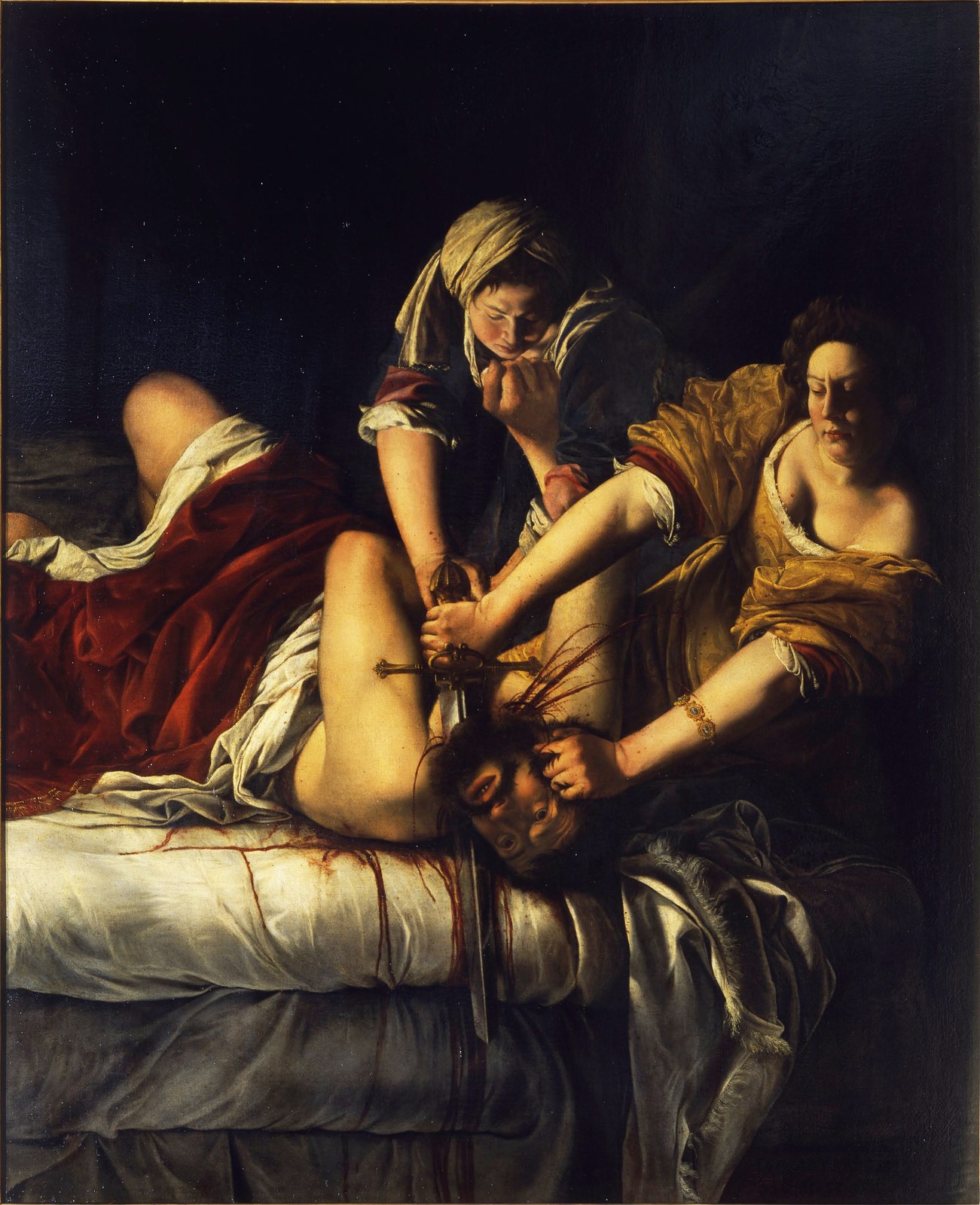
Italian:  Giuditta che decapita OloferneJudith Beheading Holofernestitle QS:P1476,it:"Giuditta che decapita Oloferne"label QS:Lit,"Giuditta che decapita Oloferne"label QS:Les,"Judit decapitando a Holofernes"label QS:Lfr,"Judith décapitant Holopherne"label QS:Lde,"Judith enthauptet Holofernes"label QS:Lnl,"Judith onthoofdt Holofernes"label QS:Len,"Judith Beheading Holofernes"label QS:Lru,"Юдифь, обезглавливающая Олоферна" — The Baroque Era
Italian: Giuditta che decapita OloferneJudith Beheading Holofernestitle QS:P1476,it:"Giuditta che decapita Oloferne"label QS:Lit,"Giuditta che decapita Oloferne"label QS:Les,"Judit decapitando a Holofernes"label QS:Lfr,"Judith décapitant Holopherne"label QS:Lde,"Judith enthauptet Holofernes"label QS:Lnl,"Judith onthoofdt Holofernes"label QS:Len,"Judith Beheading Holofernes"label QS:Lru,"Юдифь, обезглавливающая Олоферна", from 1614 until 1620date QS:P571,+1650-00-00T00:00:00Z/7,P580,+1614-00-00T00:00: · Artemisia Gentileschi · Wikimedia Commons (Public domain)
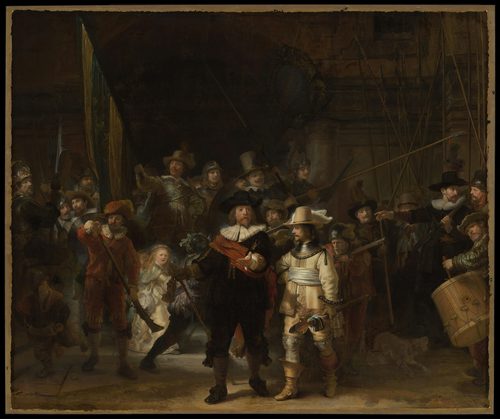
Dutch:  Officieren en andere schutters van wijk II in Amsterdam, onder leiding van kapitein Frans Banninck Cocq en luitenant Willem van Ruytenburch, bekend als ‘De Nachtwacht’ The Night Watchtitle QS:P1476,nl:"Officieren en andere schutters van wijk II in Amsterdam, onder leiding van kapitein Frans Banninck Cocq en luitenant Willem van Ruytenburch, bekend als ‘De Nachtwacht’ "label QS:Lnl,"Officieren en andere schutters van wijk II in Amsterdam, onder leiding van kapitein Frans Banninck Cocq en luitenant Willem van Ruytenburch, bekend als ‘De Nachtwacht’ "label QS:Les,"La ronda de noche"label QS:Lis,"Næturverðirnir"label QS:Len-gb,"The Night Watch"label QS:Lbg,"Нощна стража"label QS:Ltr,"Gece Devriyesi"label QS:Lzh-hk,"夜巡"label QS:Lsv,"Nattvakten"label QS:Luk,"Нічна варта"label QS:Lzh-hant,"夜巡"label QS:Lzh-cn,"夜巡"label QS:Lko,"야경"label QS:Leo,"La noktaj gardistoj"label QS:Lmk,"Ноќна стража"label QS:Lbs,"Noćna straža"label QS:Lfr,"La Ronde de nuit"label QS:Lcv,"Çĕрлехи хурал"label QS:Lvi,"Gác đêm"label QS:Laf,"Die Nagwag"label QS:Lsr,"Ноћна стража"label QS:Lpt-br,"A Ronda Noturna"label QS:Lzh-sg,"夜巡"label QS:Lnn,"Nattevakten"label QS:Lnb,"«Nattevakten»"label QS:Laz,"Gecə gözətçisi"label QS:Len,"The Night Watch"label QS:Lar,"دورية الليل"label QS:Lyue,"夜巡"label QS:Lhu,"Éjjeli őrjárat"label QS:Leu,"Gaueko erronda"label QS:Last,"La ronda de nueche"label QS:Lca,"La ronda de nit"label QS:Lde,"Die Nachtwache"label QS:Lga,"An Tráth Faire na hOíche"label QS:Lsr-ec,"Ноћна стража"label QS:Lzh,"夜巡"label QS:Lda,"Nattevagten"label QS:Lja,"夜警"label QS:Larz,"دوريه الليل"label QS:Lhe,"משמר הלילה"label QS:Lla,"Vigiliae nocturnae"label QS:Lwuu,"夜巡"label QS:Lfi,"Yövartio"label QS:Lta,"இரவுக் காவல்"label QS:Lit,"Ronda di notte"label QS:Let,"Öine vahtkond"label QS:Lbe-tarask,"Начная варта"label QS:Ltt-cyrl,"Төнге күзәтү"label QS:Lel,"Νυχτερινή περίπολος"label QS:Lsco,"The Nicht Watch"label QS:Lsk,"Nočná hliadka"label QS:Lpt,"A Ronda Nocturna"label QS:Lbe,"Начны дазор"label QS:Lfa,"نگهبان شب"label QS:Lhy,"Գիշերային պարեկ"label QS:Llt,"Nakties sargyba"label QS:Lsl,"Nočna straža"label QS:Lsh,"Noćna straža"label QS:Lid,"De Nachtwacht"label QS:Lth,"การเฝ้ายามกลางคืน"label QS:Lwar,"Magbarantay ha Gab-i"label QS:Lpl,"Kompania Fransa Banninga Cocqa i Willema van Ruytenburcha"label QS:Lru,"Ночной дозор"label QS:Lzh-tw,"夜巡"label QS:Lcy,"Yr Wylfa Nos"label QS:Lno,"Nattevakten"label QS:Ltt,"Төнге күзәтү"label QS:Lio,"Nachtwacht"label QS:Lgl,"A rolda nocturna"label QS:Lhr,"Noćna straža"label QS:Lzh-hans,"夜巡"label QS:Lcs,"Noční hlídka" — The Baroque Era
Dutch: Officieren en andere schutters van wijk II in Amsterdam, onder leiding van kapitein Frans Banninck Cocq en luitenant Willem van Ruytenburch, bekend als ‘De Nachtwacht’ The Night Watchtitle QS:P1476,nl:"Officieren en andere schutters van wijk II in Amsterdam, onder leiding van kapitein Frans Banninck Cocq en luitenant Willem van Ruytenburch, bekend als ‘De Nachtwacht’ "label QS:Lnl,"Officieren en andere schutters van wijk II in Amsterdam, onder leiding van kapitein Frans Banninck Cocq en luitenant Willem van Ruytenburch, bekend als ‘De Nachtwacht’ "label QS:Les,"La ronda de noche"label QS:Lis,"Næturverðirnir"label QS:Len-gb,"The Night Watch"label QS:Lbg,"Нощна стража"label QS:Ltr,"Gece Devriyesi"label QS:Lzh-hk,"夜巡"label QS:Lsv,"Nattvakten"label QS:Luk,"Нічна варта"label QS:Lzh-hant,"夜巡"label QS:Lzh-cn,"夜巡"label QS:Lko,"야경"label QS:Leo,"La noktaj gardistoj"label QS:Lmk,"Ноќна стража"label QS:Lbs,"Noćna straža"label QS:Lfr,"La Ronde de nuit"label QS:Lcv,"Çĕрлехи хурал"label QS:Lvi,"Gác đêm"label QS:Laf,"Die Nagwag"label QS:Lsr,"Ноћна стража"label QS:Lpt-br,"A Ronda Noturna"label QS:Lzh-sg,"夜巡"label QS:Lnn,"Nattevakten"label QS:Lnb,"«Nattevakten»"label QS:Laz,"Gecə gözətçisi"label QS:Len,"The Night Watch"label QS:Lar,"دورية الليل"label QS:Lyue,"夜巡"label QS:Lhu,"Éjjeli őrjárat"label QS:Leu,"Gaueko erronda"label QS:Last,"La ronda de nueche"label QS:Lca,"La ronda de nit"label QS:Lde,"Die Nachtwache"label QS:Lga,"An Tráth Faire na hOíche"label QS:Lsr-ec,"Ноћна стража"label QS:Lzh,"夜巡"label QS:Lda,"Nattevagten"label QS:Lja,"夜警"label QS:Larz,"دوريه الليل"label QS:Lhe,"משמר הלילה"label QS:Lla,"Vigiliae nocturnae"label QS:Lwuu,"夜巡"label QS:Lfi,"Yövartio"label QS:Lta,"இரவுக் காவல்"label QS:Lit,"Ronda di notte"label QS:Let,"Öine vahtkond"label QS:Lbe-tarask,"Начная варта"label QS:Ltt-cyrl,"Төнге күзәтү"label QS:Lel,"Νυχτερινή περίπολος"label QS:Lsco,"The Nicht Watch"label QS:Lsk,"Nočná hliadka"label QS:Lpt,"A Ronda Nocturna"label QS:Lbe,"Начны дазор"label QS:Lfa,"نگهبان شب"label QS:Lhy,"Գիշերային պարեկ"label QS:Llt,"Nakties sargyba"label QS:Lsl,"Nočna straža"label QS:Lsh,"Noćna straža"label QS:Lid,"De Nachtwacht"label QS:Lth,"การเฝ้ายามกลางคืน"label QS:Lwar,"Magbarantay ha Gab-i"label QS:Lpl,"Kompania Fransa Banninga Cocqa i Willema van Ruytenburcha"label QS:Lru,"Ночной дозор"label QS:Lzh-tw,"夜巡"label QS:Lcy,"Yr Wylfa Nos"label QS:Lno,"Nattevakten"label QS:Ltt,"Төнге күзәтү"label QS:Lio,"Nachtwacht"label QS:Lgl,"A rolda nocturna"label QS:Lhr,"Noćna straža"label QS:Lzh-hans,"夜巡"label QS:Lcs,"Noční hlídka", 1642 · Rembrandt · Wikimedia Commons (Public domain)
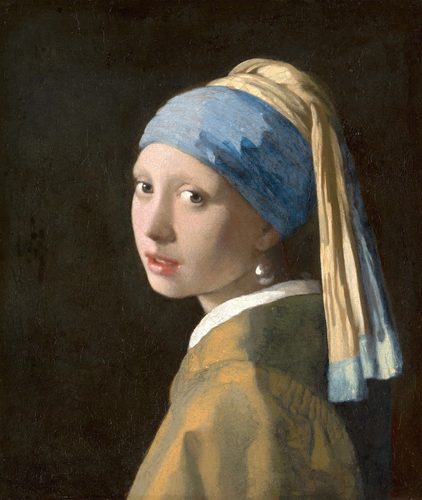
Dutch:  Meisje met de parel Girl with a Pearl Earringtitle QS:P1476,nl:"Meisje met de parel "label QS:Lnl,"Meisje met de parel "label QS:Les,"La joven de la perla"label QS:Lis,"Stúlka með perlueyrnalokk"label QS:Lps,"د مرغلرې غوږوالۍ لرونکې نجلۍ"label QS:Lbg,"Момичето с перлената обица"label QS:Lro,"Fata cu turban"label QS:Lur,"موتی کی بالی والی لڑکی (مصوری)"label QS:Lsv,"Flicka med pärlörhänge"label QS:Luk,"Дівчина з перловою сережкою"label QS:Lzh-hant,"戴珍珠耳環的少女"label QS:Lzh-cn,"戴珍珠耳环的少女"label QS:Lko,"진주 귀고리를 한 소녀"label QS:Lkk,"Інжу сырғалы қыз"label QS:Leo,"Junulino kun perla orelringo"label QS:Lcs,"Dívka s perlou"label QS:Lbs,"Djevojka sa bisernom naušnicom"label QS:Lbn,"হেট মেইশে মেট ড্য পারেল"label QS:Lfr,"La Jeune Fille à la perle"label QS:Lhr,"Djevojka s bisernom naušnicom"label QS:Lvi,"Cô gái đeo hoa tai ngọc trai"label QS:Llv,"Meitene ar pērļu auskaru"label QS:Laf,"Die meisie met die pêrel"label QS:Lsr,"Девојка са бисерном минђушом"label QS:Lpt-br,"Moça com o Brinco de Pérola"label QS:Lzh-sg,"戴珍珠耳环的少女"label QS:Llb,"Meedche mat der Pärel"label QS:Lnan,"Koà Chin-chu Hīⁿ-kau ê Siàu-lú"label QS:Lnb,"«Pike med perleøredobb»"label QS:Laz,"Mirvari tanalı qız"label QS:Len,"Girl with a Pearl Earring"label QS:Lar,"فتاة ترتدي قرطًا من اللؤلؤ"label QS:Lbr,"Plac'h he ferlezenn"label QS:Lmy,"ပုလဲနားဆွဲနဲ့ မိန်းကလေး"label QS:Lhu,"Leány gyöngy fülbevalóval"label QS:Leu,"Neska perlarekin"label QS:Last,"La moza de la perlla"label QS:Lru,"Девушка с жемчужной серёжкой"label QS:Lde,"Das Mädchen mit dem Perlenohrgehänge"label QS:Lga,"Meisje met de parel"label QS:Lfa,"دختری با گوشواره مروارید"label QS:Lzh,"戴珍珠耳環的少女"label QS:Lda,"Pige med perleørering"label QS:Lka,"გოგონა მარგალიტის საყურით"label QS:Lja,"真珠の耳飾りの少女"label QS:Lrki,"ပုလဲနားဆွဲနန့် မိမ"label QS:Larz,"فتاه ترتدى قرطا من اللؤلؤ"label QS:Lel,"Το κορίτσι με το μαργαριταρένιο σκουλαρίκι"label QS:Lhe,"נערה עם עגיל פנינה"label QS:Ltt,"Энҗе алкалы кыз"label QS:Lte,"గర్ల్ విత్ ఎ పెర్ల్ ఇయర్రింగ్"label QS:Lhi,"गर्ल विथ अ पर्ल इअर रिंग"label QS:Lwuu,"戴珍珠耳环个少女"label QS:Lfi,"Turbaanipäinen tyttö"label QS:Luz,"Marvarid sirg'ali qiz"label QS:Lcv,"Ĕнчĕ хăлха çаккиллĕ хĕр (ӳкерчĕк)"label QS:Lzh-hk,"戴珍珠耳環的少女"label QS:Lta,"முத்துத் தோட்டுடனான சிறுமி"label QS:Lit,"Ragazza con l'orecchino di perla"label QS:Lbe,"Дзяўчына з жамчужнай завушніцай"label QS:Lary,"بنت لابسة زواڭة د اللويز"label QS:Lavk,"Sardikya dem mard (trutca ke Vermeer)"label QS:Lbe-tarask,"Дзяўчына з пэрлінавай завушніцай"label QS:Lth,"สาวใส่ต่างหูมุก"label QS:Ltw,"Abaayewa / Ɔbaa a ɔhyɛ Pearl asomadeɛ"label QS:Lpnb,"موتی چمکے نال کڑی"label QS:Let,"Tütarlaps pärlkõrvarõngaga"label QS:Lca,"La noia de la perla"label QS:Lpt,"Rapariga com o Brinco de Pérola"label QS:Lsr-el,"Devojka sa bisernom minđušom"label QS:Lmt,"Tfajla bl-imsielet tal-ġawhar"label QS:Lsi,"මුතු අරුංගලය පැළඳි යුවතිය"label QS:Lbjn,"Gadis lawan Bonel-bonel Mutiara"label QS:Llt,"Mergina su perlo auskaru"label QS:Lsl,"Dekle z bisernim uhanom"label QS:Ltl,"Dalagitang may Hikaw na Perlas"label QS:Lpa,"ਗਰਲ ਵਿਦ ਅ ਪਰਲ ਈਅਰ ਰਿੰਗ"label QS:Lhy,"Մարգարտե ականջօղով աղջիկը"label QS:Lid,"Gadis dengan Anting-Anting Mutiara"label QS:Lpl,"Dziewczyna z perłą"label QS:Lml,"ഗേൾ വിത് എ പേൾ ഈയർറിങ്"label QS:Lzh-tw,"戴珍珠耳環的少女"label QS:Lio,"Meisje met de parel"label QS:Ltr,"İnci Küpeli Kız"label QS:Lsh,"Djevojka s bisernom naušnicom"label QS:Lmk,"Девојка со бисерна обетка"label QS:Lgl,"A rapaza da perla"label QS:Lzh-hans,"戴珍珠耳环的少女"label QS:Lsr-ec,"Девојка са бисерном минђушом" — The Baroque Era
Dutch: Meisje met de parel Girl with a Pearl Earringtitle QS:P1476,nl:"Meisje met de parel "label QS:Lnl,"Meisje met de parel "label QS:Les,"La joven de la perla"label QS:Lis,"Stúlka með perlueyrnalokk"label QS:Lps,"د مرغلرې غوږوالۍ لرونکې نجلۍ"label QS:Lbg,"Момичето с перлената обица"label QS:Lro,"Fata cu turban"label QS:Lur,"موتی کی بالی والی لڑکی (مصوری)"label QS:Lsv,"Flicka med pärlörhänge"label QS:Luk,"Дівчина з перловою сережкою"label QS:Lzh-hant,"戴珍珠耳環的少女"label QS:Lzh-cn,"戴珍珠耳环的少女"label QS:Lko,"진주 귀고리를 한 소녀"label QS:Lkk,"Інжу сырғалы қыз"label QS:Leo,"Junulino kun perla orelringo"label QS:Lcs,"Dívka s perlou"label QS:Lbs,"Djevojka sa bisernom naušnicom"label QS:Lbn,"হেট মেইশে মেট ড্য পারেল"label QS:Lfr,"La Jeune Fille à la perle"label QS:Lhr,"Djevojka s bisernom naušnicom"label QS:Lvi,"Cô gái đeo hoa tai ngọc trai"label QS:Llv,"Meitene ar pērļu auskaru"label QS:Laf,"Die meisie met die pêrel"label QS:Lsr,"Девојка са бисерном минђушом"label QS:Lpt-br,"Moça com o Brinco de Pérola"label QS:Lzh-sg,"戴珍珠耳环的少女"label QS:Llb,"Meedche mat der Pärel"label QS:Lnan,"Koà Chin-chu Hīⁿ-kau ê Siàu-lú"label QS:Lnb,"«Pike med perleøredobb»"label QS:Laz,"Mirvari tanalı qız"label QS:Len,"Girl with a Pearl Earring"label QS:Lar,"فتاة ترتدي قرطًا من اللؤلؤ"label QS:Lbr,"Plac'h he ferlezenn"label QS:Lmy,"ပုလဲနားဆွဲနဲ့ မိန်းကလေး"label QS:Lhu,"Leány gyöngy fülbevalóval"label QS:Leu,"Neska perlarekin"label QS:Last,"La moza de la perlla"label QS:Lru,"Девушка с жемчужной серёжкой"label QS:Lde,"Das Mädchen mit dem Perlenohrgehänge"label QS:Lga,"Meisje met de parel"label QS:Lfa,"دختری با گوشواره مروارید"label QS:Lzh,"戴珍珠耳環的少女"label QS:Lda,"Pige med perleørering"label QS:Lka,"გოგონა მარგალიტის საყურით"label QS:Lja,"真珠の耳飾りの少女"label QS:Lrki,"ပုလဲနားဆွဲနန့် မိမ"label QS:Larz,"فتاه ترتدى قرطا من اللؤلؤ"label QS:Lel,"Το κορίτσι με το μαργαριταρένιο σκουλαρίκι"label QS:Lhe,"נערה עם עגיל פנינה"label QS:Ltt,"Энҗе алкалы кыз"label QS:Lte,"గర్ల్ విత్ ఎ పెర్ల్ ఇయర్రింగ్"label QS:Lhi,"गर्ल विथ अ पर्ल इअर रिंग"label QS:Lwuu,"戴珍珠耳环个少女"label QS:Lfi,"Turbaanipäinen tyttö"label QS:Luz,"Marvarid sirg'ali qiz"label QS:Lcv,"Ĕнчĕ хăлха çаккиллĕ хĕр (ӳкерчĕк)"label QS:Lzh-hk,"戴珍珠耳環的少女"label QS:Lta,"முத்துத் தோட்டுடனான சிறுமி"label QS:Lit,"Ragazza con l'orecchino di perla"label QS:Lbe,"Дзяўчына з жамчужнай завушніцай"label QS:Lary,"بنت لابسة زواڭة د اللويز"label QS:Lavk,"Sardikya dem mard (trutca ke Vermeer)"label QS:Lbe-tarask,"Дзяўчына з пэрлінавай завушніцай"label QS:Lth,"สาวใส่ต่างหูมุก"label QS:Ltw,"Abaayewa / Ɔbaa a ɔhyɛ Pearl asomadeɛ"label QS:Lpnb,"موتی چمکے نال کڑی"label QS:Let,"Tütarlaps pärlkõrvarõngaga"label QS:Lca,"La noia de la perla"label QS:Lpt,"Rapariga com o Brinco de Pérola"label QS:Lsr-el,"Devojka sa bisernom minđušom"label QS:Lmt,"Tfajla bl-imsielet tal-ġawhar"label QS:Lsi,"මුතු අරුංගලය පැළඳි යුවතිය"label QS:Lbjn,"Gadis lawan Bonel-bonel Mutiara"label QS:Llt,"Mergina su perlo auskaru"label QS:Lsl,"Dekle z bisernim uhanom"label QS:Ltl,"Dalagitang may Hikaw na Perlas"label QS:Lpa,"ਗਰਲ ਵਿਦ ਅ ਪਰਲ ਈਅਰ ਰਿੰਗ"label QS:Lhy,"Մարգարտե ականջօղով աղջիկը"label QS:Lid,"Gadis dengan Anting-Anting Mutiara"label QS:Lpl,"Dziewczyna z perłą"label QS:Lml,"ഗേൾ വിത് എ പേൾ ഈയർറിങ്"label QS:Lzh-tw,"戴珍珠耳環的少女"label QS:Lio,"Meisje met de parel"label QS:Ltr,"İnci Küpeli Kız"label QS:Lsh,"Djevojka s bisernom naušnicom"label QS:Lmk,"Девојка со бисерна обетка"label QS:Lgl,"A rapaza da perla"label QS:Lzh-hans,"戴珍珠耳环的少女"label QS:Lsr-ec,"Девојка са бисерном минђушом", 1665 · Johannes Vermeer · Wikimedia Commons (Public domain)
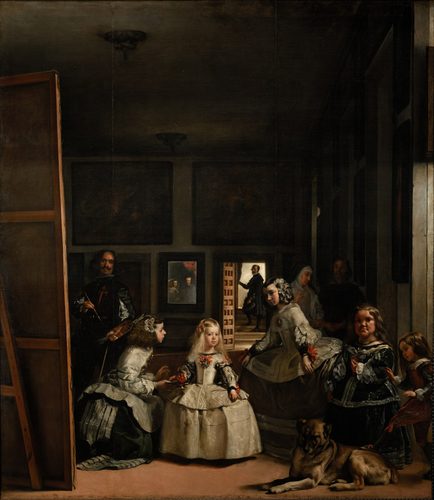
Spanish:  Las MeninasThe Maids of Honourtitle QS:P1476,es:"Las Meninas"label QS:Les,"Las Meninas"label QS:Lsk,"Dvorné dámy"label QS:Lcs,"Dvorní dámy"label QS:Lfr,"Les Ménines"label QS:Lsr,"Лас менинас"label QS:Lzh,"宮女"label QS:Lko,"시녀들"label QS:Llv,"Galminieces"label QS:Len,"The Maids of Honour"label QS:Lru,"Менины"label QS:Lde,"Die Hoffräulein"label QS:Lpl,"Panny dworskie"label QS:Lja,"ラス・メニーナス" — The Baroque Era
Spanish: Las MeninasThe Maids of Honourtitle QS:P1476,es:"Las Meninas"label QS:Les,"Las Meninas"label QS:Lsk,"Dvorné dámy"label QS:Lcs,"Dvorní dámy"label QS:Lfr,"Les Ménines"label QS:Lsr,"Лас менинас"label QS:Lzh,"宮女"label QS:Lko,"시녀들"label QS:Llv,"Galminieces"label QS:Len,"The Maids of Honour"label QS:Lru,"Менины"label QS:Lde,"Die Hoffräulein"label QS:Lpl,"Panny dworskie"label QS:Lja,"ラス・メニーナス", between 1656 and 1657date QS:P571,+1656-00-00T00:00:00Z/8,P1319,+1656-00-00T00:0 · Diego Velázquez · Wikimedia Commons (Public domain)
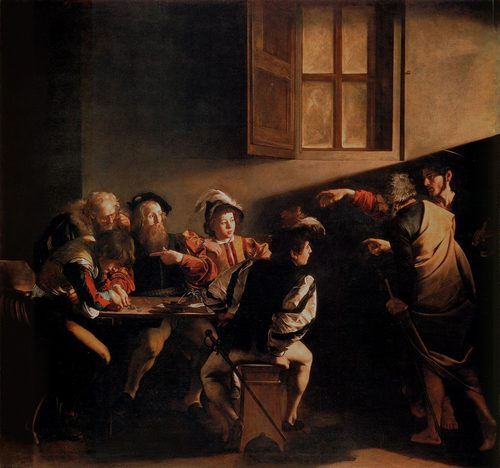
The Calling of Saint Matthew — The Baroque Era
The Calling of Saint Matthew, 1599-1600 · Caravaggio · Wikimedia Commons (Public domain)
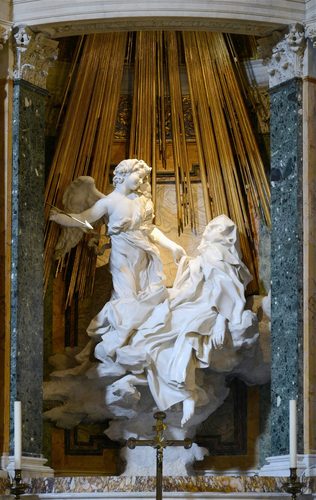
Ecstasy of Saint Teresalabel QS:Les,"Éxtasis de Santa Teresa"label QS:Lhu,"Ávilai Szent Teréz elragadtatása"label QS:Leu,"Santa Teresaren estasia"label QS:Lca,"Èxtasi de Santa Teresa"label QS:Lde,"Verzückung der heiligen Theresa"label QS:Lbe,"Экстаз Святой Тэрэзы"label QS:Lfa,"وجد سنت ترزا"label QS:Lzh,"圣女大德兰的神魂超拔"label QS:Lda,"Den Hellige Teresas ekstase"label QS:Ltr,"Azize Teresa'nın Vecdi"label QS:Lja,"聖テレジアの法悦"label QS:Lsv,"Den heliga Teresas extas"label QS:Lhe,"האקסטזה של תרזה הקדושה"label QS:Lko,"성 테레사의 법열"label QS:Len-ca,"Ecstasy of Saint Theresa"label QS:Lcs,"Extáze svaté Terezy"label QS:Lit,"Estasi di santa Teresa d'Avila"label QS:Lfr,"L'Extase de sainte Thérèse"label QS:Lhr,"Ekstaza Svete Tereze"label QS:Lsk,"Extáza svätej Terézie"label QS:Lka,"წმინდა ტერეზას ექსტაზი"label QS:Len-gb,"Ecstasy of Saint Theresa"label QS:Lpt,"O Êxtase de Santa Teresa"label QS:Lgl,"Éxtase de Santa Tareixa"label QS:Llv,"Svētās Terēzes ekstāze"label QS:Lilo,"Ti Panagganas ni Santa Teresa"label QS:Llt,"Šv. Teresės ekstazė"label QS:Lsl,"Zamaknjenje svete Terezije"label QS:Ltl,"Ekstasis ni Santa Teresa"label QS:Lvi,"Saint Teresa xuất thần"label QS:Lmk,"Екстазата на света Тереза"label QS:Lid,"L'Estasi di Santa Teresa"label QS:Lpl,"Ekstaza świętej Teresy"label QS:Lnb,"Den hellige Teresas ekstase"label QS:Lsh,"Ekstaza svete Tereze"label QS:Luk,"Екстаз святої Терези (боцетто)"label QS:Lru,"Экстаз святой Терезы"label QS:Lnl,"Extase van Theresia"label QS:Lbg,"Екстазът на Св.Тереза"label QS:Len,"Ecstasy of Saint Teresa"label QS:Lar,"نشوة القديسة تريزا"label QS:Lel,"Η Έκσταση της Αγίας Τερέζας"label QS:Larz,"تمثال نشوه القديسه تريزا" — The Baroque Era
Ecstasy of Saint Teresalabel QS:Les,"Éxtasis de Santa Teresa"label QS:Lhu,"Ávilai Szent Teréz elragadtatása"label QS:Leu,"Santa Teresaren estasia"label QS:Lca,"Èxtasi de Santa Teresa"label QS:Lde,"Verzückung der heiligen Theresa"label QS:Lbe,"Экстаз Святой Тэрэзы"label QS:Lfa,"وجد سنت ترزا"label QS:Lzh,"圣女大德兰的神魂超拔"label QS:Lda,"Den Hellige Teresas ekstase"label QS:Ltr,"Azize Teresa'nın Vecdi"label QS:Lja,"聖テレジアの法悦"label QS:Lsv,"Den heliga Teresas extas"label QS:Lhe,"האקסטזה של תרזה הקדושה"label QS:Lko,"성 테레사의 법열"label QS:Len-ca,"Ecstasy of Saint Theresa"label QS:Lcs,"Extáze svaté Terezy"label QS:Lit,"Estasi di santa Teresa d'Avila"label QS:Lfr,"L'Extase de sainte Thérèse"label QS:Lhr,"Ekstaza Svete Tereze"label QS:Lsk,"Extáza svätej Terézie"label QS:Lka,"წმინდა ტერეზას ექსტაზი"label QS:Len-gb,"Ecstasy of Saint Theresa"label QS:Lpt,"O Êxtase de Santa Teresa"label QS:Lgl,"Éxtase de Santa Tareixa"label QS:Llv,"Svētās Terēzes ekstāze"label QS:Lilo,"Ti Panagganas ni Santa Teresa"label QS:Llt,"Šv. Teresės ekstazė"label QS:Lsl,"Zamaknjenje svete Terezije"label QS:Ltl,"Ekstasis ni Santa Teresa"label QS:Lvi,"Saint Teresa xuất thần"label QS:Lmk,"Екстазата на света Тереза"label QS:Lid,"L'Estasi di Santa Teresa"label QS:Lpl,"Ekstaza świętej Teresy"label QS:Lnb,"Den hellige Teresas ekstase"label QS:Lsh,"Ekstaza svete Tereze"label QS:Luk,"Екстаз святої Терези (боцетто)"label QS:Lru,"Экстаз святой Терезы"label QS:Lnl,"Extase van Theresia"label QS:Lbg,"Екстазът на Св.Тереза"label QS:Len,"Ecstasy of Saint Teresa"label QS:Lar,"نشوة القديسة تريزا"label QS:Lel,"Η Έκσταση της Αγίας Τερέζας"label QS:Larz,"تمثال نشوه القديسه تريزا", 1675 · Gian Lorenzo Bernini · Wikimedia Commons (CC BY-SA 4.0)

The Baroque era spans European art from roughly 1600 to 1750, emerging first in Rome and spreading across Catholic Europe before taking a distinct, secular form in the Protestant Dutch Republic. The Catholic Church, responding to the Protestant Reformation through the Counter-Reformation, wanted art that moved viewers emotionally and affirmed faith through spectacle — sweeping ceiling frescoes, dramatic light, and saints caught mid-ecstasy or mid-martyrdom. Absolutist courts, above all Louis XIV's France, adopted a related grandeur to project royal power through vast palaces, portraits, and gardens. Painters exploited strong contrasts of light and shadow, twisting diagonal compositions, and intensely observed realism to pull viewers into the emotional center of a scene rather than let them observe calmly from a distance. In the independent, Protestant Dutch Republic, a different Baroque emerged: without church or royal patronage, artists sold directly to a prosperous merchant public that wanted portraits, still lifes, landscapes, and scenes of everyday domestic life rather than religious drama. Sculpture and architecture pursued the same theatrical goals in three dimensions, with dynamic, twisting forms and richly decorated interiors designed to overwhelm the senses and make faith or power feel physically present.

The look: what defines The Baroque Era

01

Chiaroscuro and tenebrism

Painters used extreme contrasts of light and dark, often a single dramatic light source against near-black shadow, to isolate figures and heighten emotional intensity, a technique especially associated with Roman and Neapolitan painting.

02

Dynamic diagonal composition

Compositions favored sweeping diagonals, twisting poses, and figures caught mid-action over calm, static arrangement, pulling the viewer's eye through the scene and creating a sense of movement frozen at its peak.

03

Theatrical religious drama

Saints, martyrs, and biblical scenes were staged with heightened emotion and physical intensity, meant to move viewers to devotion through visceral, almost theatrical realism rather than calm contemplation.

04

Illusionistic ceiling painting

Church and palace ceilings were painted to dissolve the architecture above viewers' heads, opening illusionistic views into painted skies crowded with figures, designed to be seen from directly below.

05

Dutch domestic realism

Dutch Golden Age painters turned closely observed everyday scenes — a woman reading a letter, a tavern interior, a laid table — into finished, market-ready subjects, rendered with meticulous surface detail and quiet natural light.

06

Opulent gilded ornament

Court and church interiors combined gilded stucco, marble, and sculpture into unified, overwhelming decorative programs, using material richness itself to communicate the power of the patron commissioning the space.

The story

The Baroque emerged in Rome around 1600, driven largely by the Catholic Church's Counter-Reformation push to make religious art more emotionally persuasive after decades of Protestant challenge. Painters and sculptors developed dramatic lighting, dynamic composition, and visceral realism to pull worshippers into direct emotional contact with sacred subjects, a style the papacy actively promoted and funded through major church and chapel commissions.

The style spread quickly to Catholic courts across Europe, reaching its most extravagant expression under Louis XIV in France, where royal patronage fused Baroque grandeur with classical order to build palaces and gardens that projected absolute monarchical power, and into Flanders, where court painters produced large-scale mythological and religious works for aristocratic patrons.

The independent, largely Protestant Dutch Republic took a markedly different path. Without a royal court or a Catholic church commissioning devotional art, Dutch artists sold directly into an open market of merchants and civic institutions, producing the Dutch Golden Age's portraits, still lifes, landscapes, and genre scenes of domestic life, prized for restrained technique and material realism rather than religious spectacle.

By the mid-1700s, the Baroque's emotional intensity had softened in France into the lighter, more intimate Rococo, while its dramatic legacy persisted in church architecture and painting across Catholic Europe and Latin America.

Timeline

  1. 1600
    Baroque style takes hold in Rome under papal patronage
  2. 1601
    c. 1601 Caravaggio's dramatic tenebrism reshapes Roman painting
  3. 1624
    Bernini begins major sculptural and architectural work in Rome
  4. 1648
    Dutch Republic's independence secures a market-driven art scene
  5. 1661
    Louis XIV begins building the Palace of Versailles
  6. 1665
    c. 1665 Vermeer paints intimate Dutch domestic interiors
  7. 1708
    Baroque architecture and painting spread through Central Europe
  8. 1750
    Baroque gives way to the lighter Rococo style

Works to know

WorkMakerDateWhy it matters
The Calling of Saint MatthewCaravaggioc. 1599–1600A dramatic tenebrist chapel canvas using a single shaft of light to stage a moment of divine summons, foundational to Baroque painting.
Ecstasy of Saint TeresaGian Lorenzo Bernini1647–1652A theatrical marble sculpture set within its own architectural chapel, combining sculpture, light, and space into one dramatic experience.
Las MeninasDiego Velazquez1656A complex Spanish court portrait that plays with perspective, mirrors, and the viewer's own presence in the scene.
Girl with a Pearl EarringJohannes Vermeerc. 1665An intimate Dutch Golden Age tronie, or character study, prized for its soft light and direct gaze.
The Night WatchRembrandt1642A large Dutch civic guard portrait that turns a group commission into a dynamic scene of light and motion.
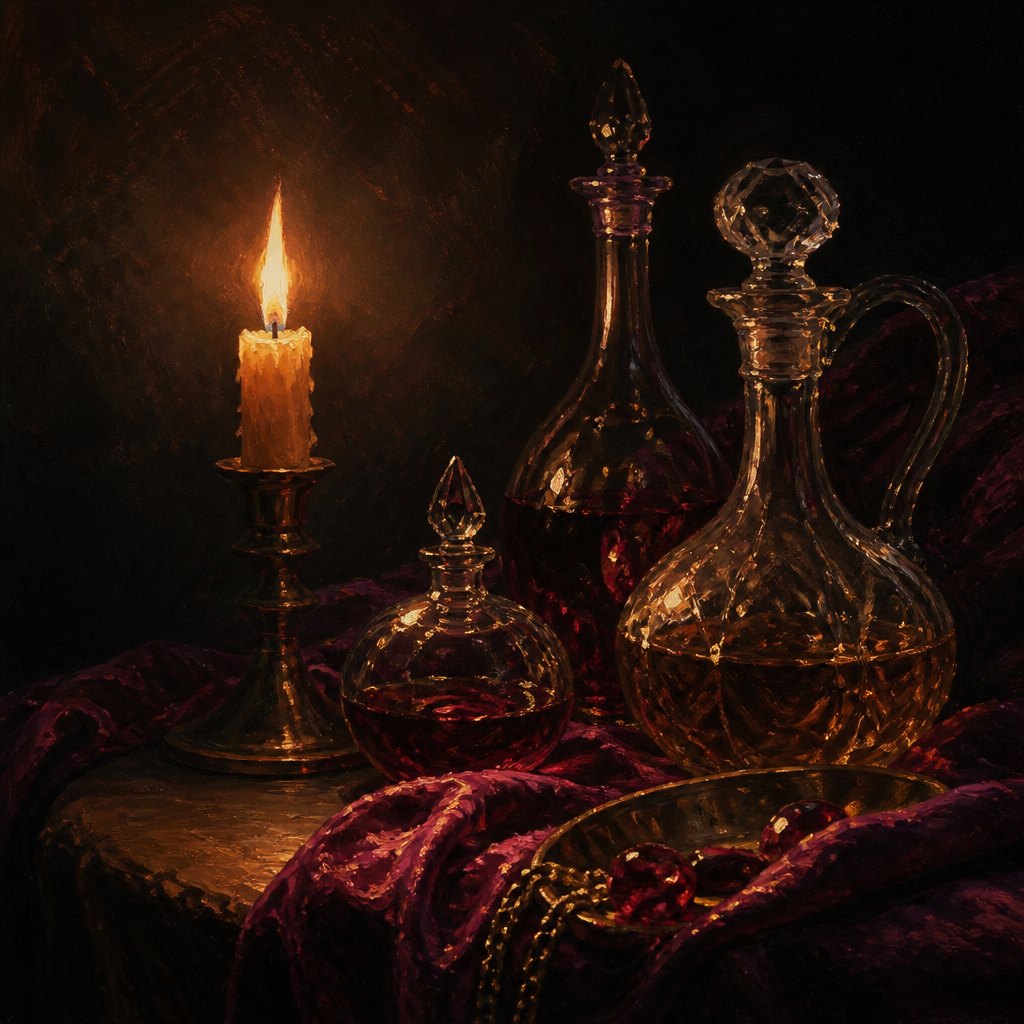
AI-generated interpretation of The Baroque EraAI-generated

Make it yourself

Create art in the The Baroque Era spirit

This interpretation was generated from a prompt like: “An oil painting of a single candle illuminating a still life of glass vessels and draped velvet cloth against near-black shadow, strong diagonal composition, rich saturated color, dramatic single light source, textured painterly surface.”

Open the Baroque Art Style generator →

How to evoke the period

Stage the scene with a single strong, directional light source against deep, near-black shadow, letting the light pick out only the essential forms. Compose along a dynamic diagonal, with the main subject caught mid-motion or mid-gesture rather than posed still. Push contrast hard — rich, saturated color emerging from darkness rather than an evenly lit scene. For a quieter, domestic version, use soft window light, muted earth tones, and closely observed surface texture on fabric, metal, and glass. Keep backgrounds dark or simplified so nothing competes with the lit subject, and let drapery or smoke add a sense of movement frozen at its peak.

What it left behind

Baroque lighting and compositional drama fed directly into later academic painting and remain a reference point for cinematic and photographic lighting today, where a single strong light source against deep shadow still reads as intensity and mood. Dutch Golden Age genre painting and still life established everyday subject matter as fully worthy of serious art, a premise later realist and Impressionist painters relied on. Baroque architecture's theatrical, immersive interiors shaped church and palace building across Catholic Europe and Latin America for generations, and its taste for grandeur echoes in ceremonial and civic architecture into the present.

Frequently asked questions

What is Baroque art?

Baroque art is the dramatic, emotionally intense European style of roughly 1600 to 1750, marked by strong light-and-shadow contrast, dynamic composition, and theatrical realism, used by the Catholic Church, royal courts, and Dutch merchants alike.

When was the Baroque period?

The Baroque period ran from about 1600, beginning in Rome, to around 1750, when it gave way to the lighter, more intimate Rococo style in France and Central Europe.

What is the difference between Baroque and Dutch Golden Age art?

Dutch Golden Age art is the Baroque-era art of the independent Dutch Republic, distinct for its market-driven portraits, still lifes, and everyday domestic scenes rather than the religious and courtly drama typical elsewhere in Baroque Europe.

What is chiaroscuro?

Chiaroscuro is the use of strong contrast between light and dark to model form and create drama, a technique central to Baroque painting, especially in its most extreme form, tenebrism.