 Art
Art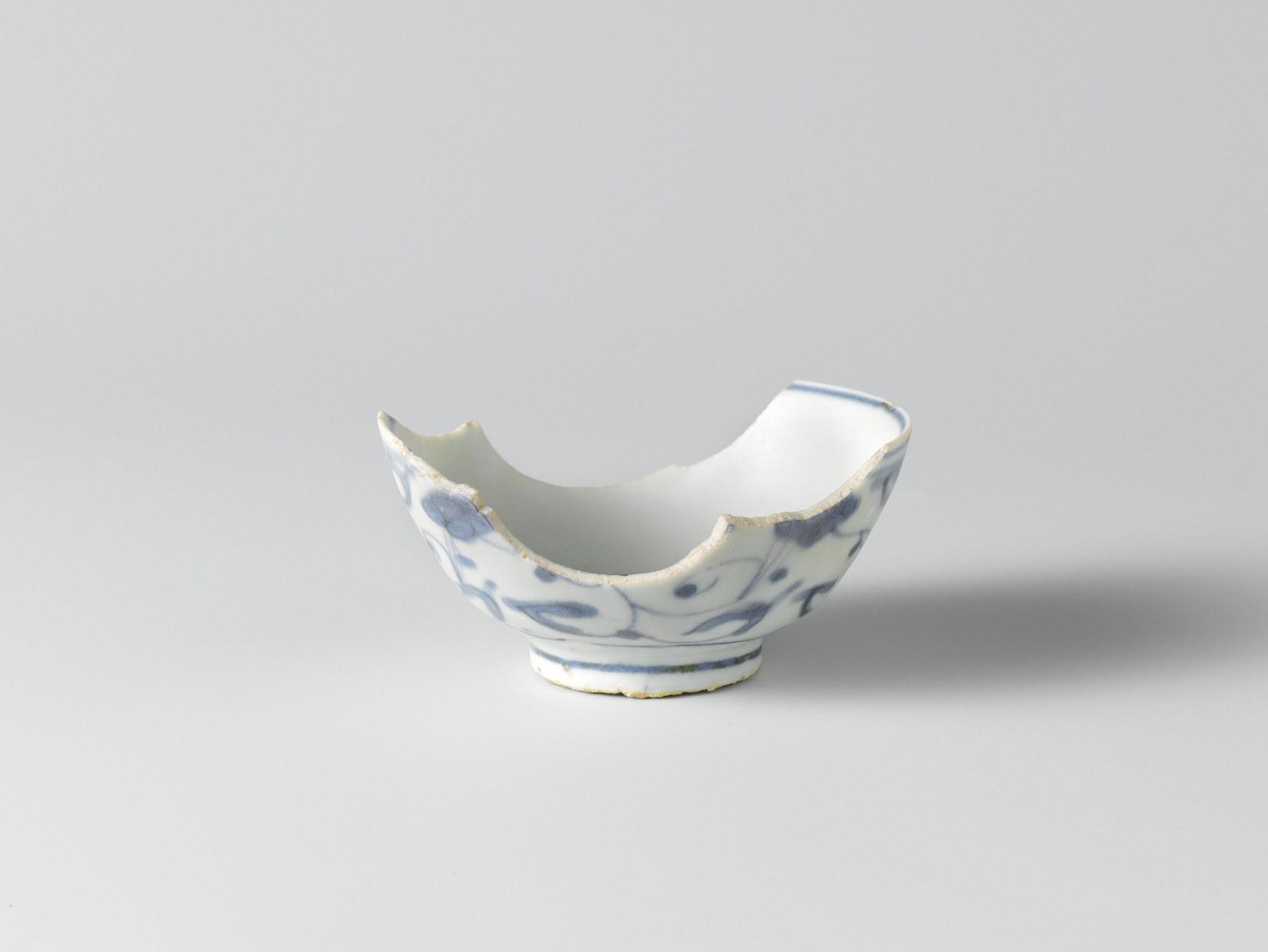
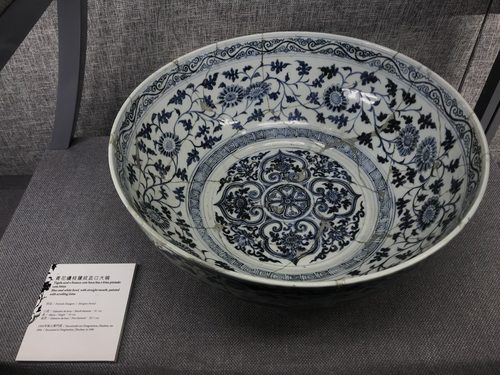
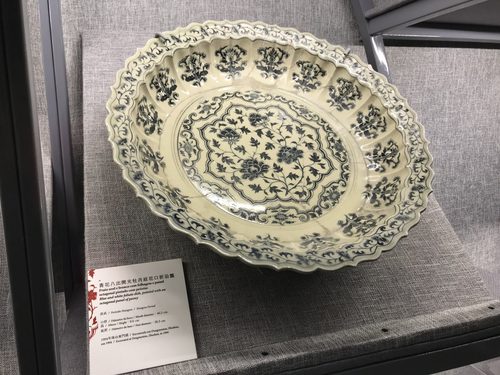
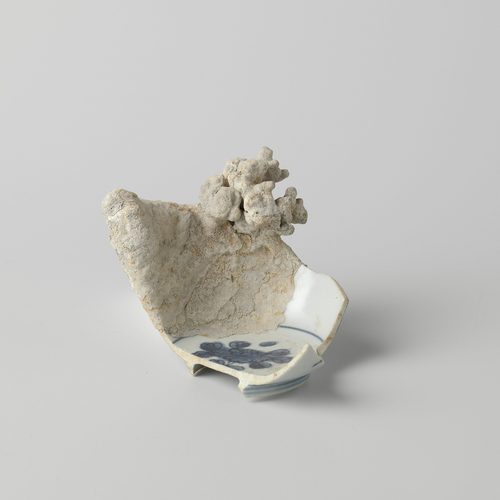
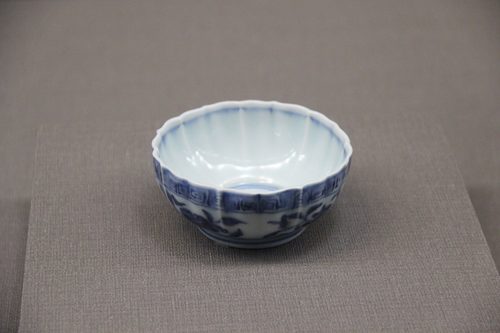
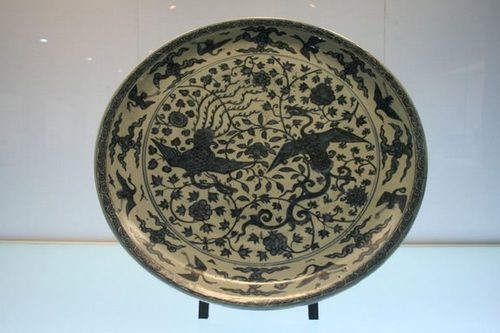
Ming Dynasty art covers the painting, ceramics, and decorative arts produced in China from 1368 to 1644, after the Ming founder expelled Mongol Yuan rule and reasserted native Chinese governance. The dynasty's early emperors rebuilt imperial institutions, including a renewed court painting academy, and moved the capital to Beijing, where the Forbidden City became the physical center of a revived, highly formalized imperial visual culture. Blue-and-white porcelain, painted with cobalt pigment under a clear glaze, became the era's defining export, produced at massive kilns in Jingdezhen and shipped along trade routes reaching the Islamic world and, later, Europe. Alongside court production, a wealthy class of merchants and retired officials cultivated a parallel literati culture centered on private gardens, calligraphy, and amateur ink painting that deliberately avoided the polish of professional court art. Woodblock printing expanded dramatically, illustrating novels, plays, and painting manuals for a growing literate public. Toward the dynasty's end, connoisseurship, collecting, and art criticism matured into their own scholarly disciplines, even as court patronage weakened under fiscal strain and internal rebellion that ultimately opened the way to Qing conquest in 1644.
The look: what defines Ming Dynasty Art
Blue-and-White Porcelain
Cobalt-blue pigment painted beneath a clear glaze on white porcelain became Ming China's most recognizable export, decorated with dragons, flowers, and narrative scenes, produced in enormous quantity at the kilns of Jingdezhen.
Formal Court Painting
Academy-trained painters produced detailed bird-and-flower compositions, formal court portraits, and auspicious symbolic imagery in bright mineral color, valued for technical polish and legible symbolism suited to imperial and elite palace display.
Literati Ink Painting
Amateur scholar-painters favored loose, expressive brushwork and monochrome ink over the court's bright color and precision, prizing personal expression, calligraphic quality, and quiet allusions to earlier masters over sheer technical finish.
Private Garden Culture
Wealthy merchants and retired officials built elaborate private gardens of rockery, pavilions, and winding water, meant to be experienced as a sequence of framed views and captured repeatedly as a subject in painting.
Expanding Woodblock Printing
Illustrated novels, drama scripts, and painting manuals circulated widely thanks to advances in commercial woodblock printing, spreading pictorial literacy and standardized visual conventions well beyond the court and scholarly elite.
Cloisonné and Lacquer Craft
Decorative arts flourished alongside painting: enamel-and-metal cloisonné vessels in vivid color, and carved or painted lacquerware, showcased the era's technical range and its lasting taste for dense, symbolic surface pattern and ornament.
The story
The Ming Dynasty began in 1368, when rebel leader Zhu Yuanzhang overthrew the Mongol-led Yuan Dynasty and established Chinese rule under the reign name Hongwu. Early Ming emperors rebuilt imperial institutions after decades of foreign rule, reviving a court painting academy and, from 1420, centering government in the newly built Forbidden City in Beijing.
Through the fifteenth and sixteenth centuries, imperial kilns at Jingdezhen scaled up production of blue-and-white porcelain to unprecedented levels, supplying both the court and a growing export trade that reached the Islamic world and, by the late 1500s, European markets. At the same time, a wealthy class of merchants and scholar-officials, particularly around the southern city of Suzhou, cultivated an alternative literati culture centered on private gardens, amateur painting, and connoisseurship that prized personal expression over court polish.
The dynasty's final century combined remarkable cultural sophistication, including maturing art criticism and expanding commercial printing, with mounting fiscal and military crisis. Court patronage weakened as the state struggled with rebellion and external pressure, and in 1644 the Ming fell to Manchu conquest, giving way to the Qing Dynasty even as Ming taste in porcelain and painting continued to shape Chinese and international collecting for centuries afterward.
Timeline
- 1368Ming Dynasty founded by the Hongwu Emperor, ending Mongol rule
- 1405Zheng He's naval expeditions begin, expanding trade and cultural contact
- 1420Forbidden City completed, Beijing becomes the imperial capital
- 1450c. 1450: Jingdezhen kilns scale up blue-and-white porcelain production
- 1500c. 1500: Suzhou literati painting culture flourishes among scholar-officials
- 1600c. 1600: art criticism and connoisseurship mature into scholarly disciplines
- 1644Ming Dynasty falls to Manchu conquest, giving way to the Qing
Works to know
| Work | Maker | Date | Why it matters |
|---|---|---|---|
| Forbidden City | Unknown | completed 1420 | Imperial palace complex in Beijing, the ceremonial and artistic center of Ming court culture. |
| Xuande-Mark Blue-and-White Porcelain | Unknown | 1426–1435 | Porcelain from the Xuande reign, regarded as a high point of Ming blue-and-white technique and cobalt color. |
| Lofty Mount Lu | Shen Zhou | 1467 | Landscape honoring Shen Zhou's teacher, a founding work of the Ming literati Wu School. |
| Spring Morning in the Han Palace | Qiu Ying | c. 1540 | Detailed blue-green court scene by one of the celebrated 'Four Masters of the Ming.' |
| Ming Cloisonné Enamel Vessels | Unknown | 15th–16th century | Enamel-and-metal vessels in vivid color, especially strong in the Jingtai reign, prized for technical range. |
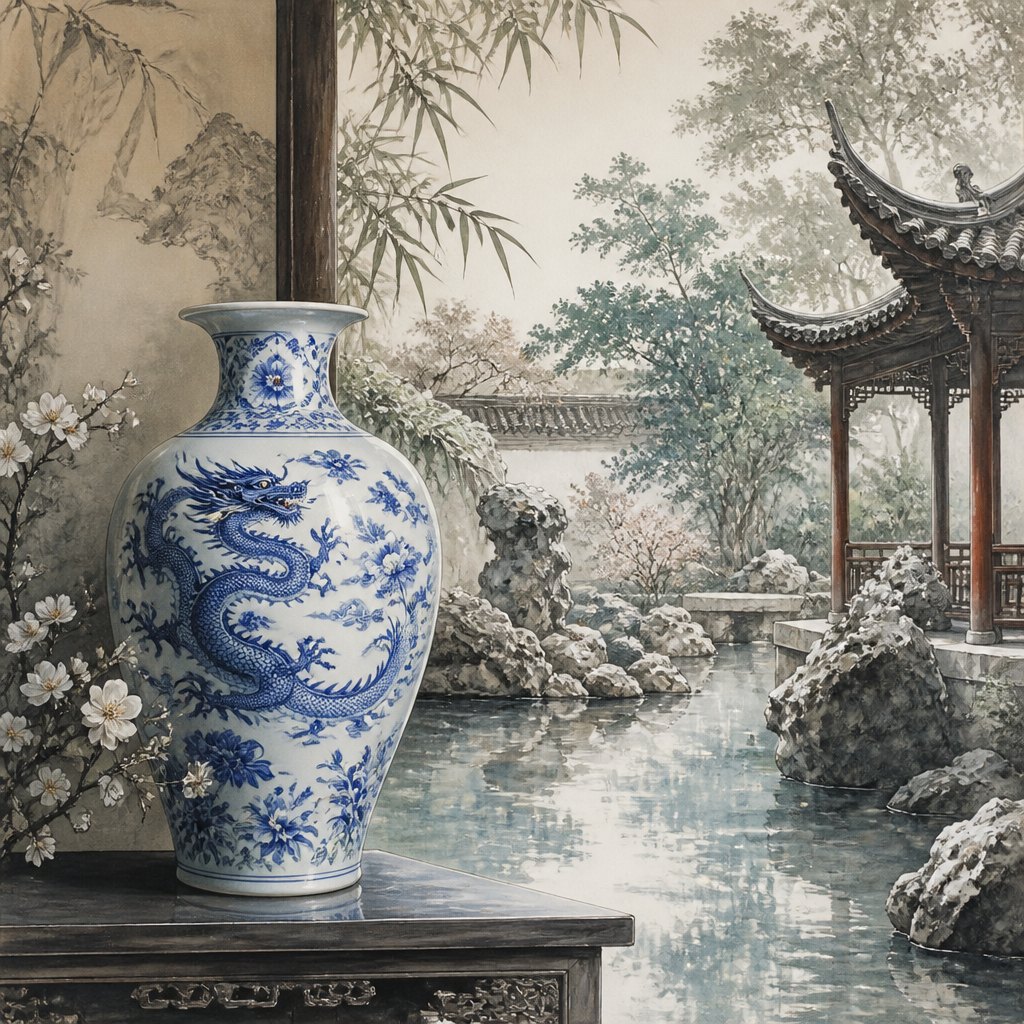 AI-generated
Make it yourself
Create art in the Ming Dynasty Art spirit
This interpretation was generated from a prompt like: “A white porcelain vase painted with cobalt-blue dragon and floral motifs under a glassy clear glaze, set beside a scholar's garden view of rockery, pavilion, and still water, soft morning light, refined ink-brush texture accents.”
Open the Ming Porcelain Art Style generator →How to evoke the period
For a court-polish look, use bright mineral color, meticulous outline, and auspicious symbols like dragons, phoenixes, or peonies arranged in balanced, formal compositions. For a blue-and-white ceramic feel, paint cobalt-blue floral or dragon motifs on a clean white ground beneath a glassy clear glaze. For the literati alternative, loosen up: expressive monochrome ink brushwork, asymmetry, and a sense of a quickly captured mountain or garden scene rather than a finished, polished surface. Gardens make good subjects — rockery, pavilions, winding water framed like a series of views. Keep surfaces either glassy-smooth (porcelain, lacquer) or visibly brushed (ink painting), and avoid mixing the two registers in one image.
What it left behind
Ming blue-and-white porcelain became one of the most globally influential art objects in history, inspiring imitation from Ottoman Iznik ware to Dutch Delftware and shaping European taste for centuries. The Forbidden City remains the physical template most people picture when they imagine Chinese imperial architecture. Ming literati painting theory, with its emphasis on personal expression, historical allusion, and calligraphic brushwork, defined how later Qing and modern Chinese painters positioned themselves relative to tradition. The era's connoisseurship culture, cataloguing and grading old paintings and objects, effectively founded Chinese art history and collecting as organized disciplines still recognizable today.
Frequently asked questions
What is Ming Dynasty art?
Ming Dynasty art is the painting, ceramics, and decorative arts of China from 1368 to 1644, known for blue-and-white porcelain, formal court painting, literati ink painting, and the Forbidden City's imperial architecture.
When was the Ming Dynasty?
The Ming Dynasty ruled China from 1368 to 1644, beginning when Zhu Yuanzhang overthrew Mongol Yuan rule and ending when Manchu forces conquered China and founded the Qing Dynasty.
Why is Ming blue-and-white porcelain famous?
Ming kilns at Jingdezhen perfected cobalt-blue painted decoration under clear glaze on white porcelain, producing wares so widely traded and imitated that they shaped ceramic taste across Asia, the Islamic world, and Europe.
What is Ming literati painting?
Literati painting was an amateur tradition practiced by scholar-officials and merchants, favoring expressive monochrome ink brushwork and personal or historical allusion over the bright, polished style of the imperial court painting academy.