 Art
Art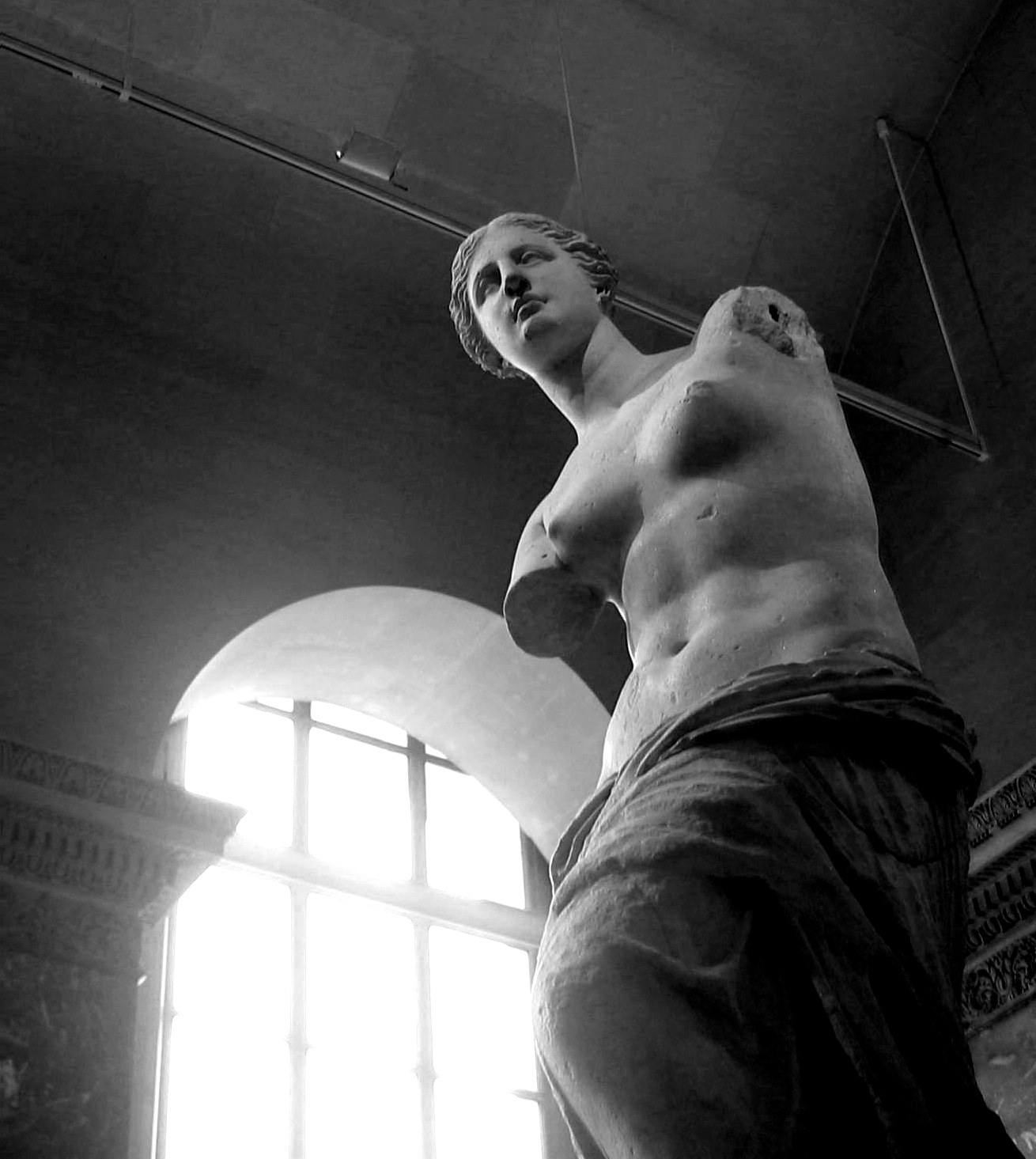
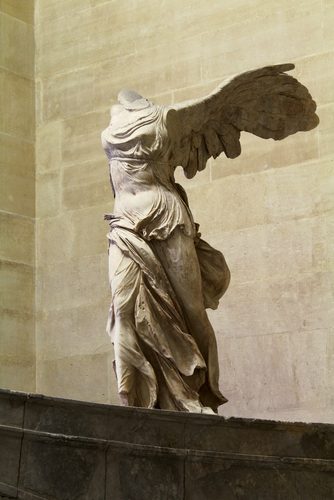
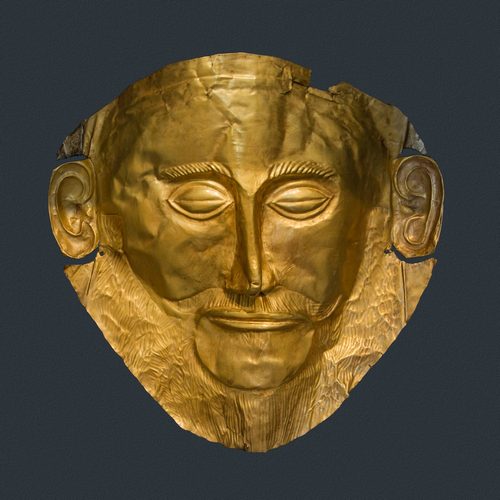
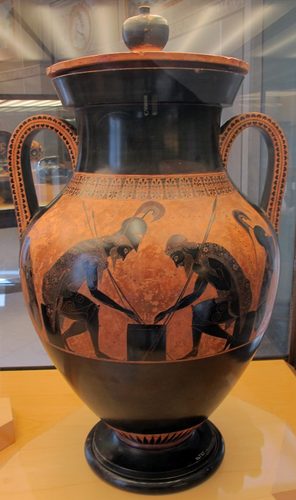
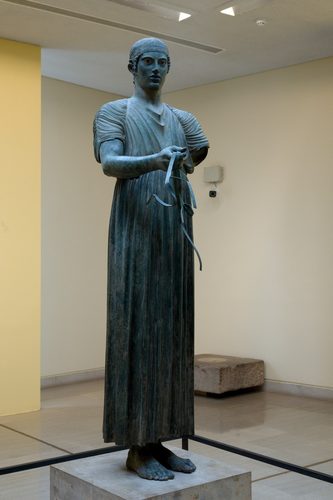
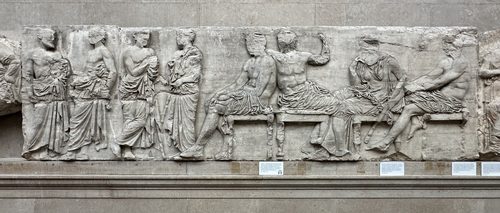
Ancient Greek art is the art produced by the Greek city-states and their Mediterranean colonies from around 900 BCE, as Greece emerged from a preceding dark age, to 31 BCE, when the last major Hellenistic kingdom fell to Rome. It spans painted pottery, monumental temple architecture, and above all sculpture, which pursued an increasingly convincing and idealized rendering of the human body across centuries of experimentation. Patronage came from city-states competing to honor their gods and commemorate victories, from wealthy individuals dedicating votive offerings, and, after Alexander the Great's conquests, from Hellenistic kings ruling far beyond Greece itself. Unlike Egyptian or Near Eastern art, Greek art did not stay fixed to inherited convention; sculptors and painters are recorded by name, praised for individual innovation, and credited with solving problems of anatomy, proportion, and movement one generation at a time. Temples, built to house cult statues of the gods rather than congregations, became showcases for this sculptural ambition, their pediments and friezes carved with mythological narrative. By the Hellenistic period, art had expanded beyond calm idealism into drama, emotion, and everyday subject matter, setting the vocabulary that Roman and, much later, Renaissance art would return to again and again.
The look: what defines Ancient Greek Art
Idealized human anatomy
Sculptors pursued an increasingly accurate and idealized human body, built on mathematical proportion, moving from stiff, symmetrical early figures toward relaxed, weight-shifted poses that convey both physical convincingness and calm perfection.
Contrapposto and natural movement
Classical-era sculpture introduced contrapposto, weight resting on one leg with hips and shoulders counterbalanced, giving carved figures a sense of relaxed, lifelike stance rather than the rigid frontality of earlier art.
Painted pottery with figural scenes
Ceramic vessels were decorated first with geometric bands, then with black-figure and later red-figure techniques, silhouetted mythological and everyday scenes rendered in fine incised or painted line against fired clay.
Temple architecture and orders
Stone temples followed defined architectural orders — plain Doric, scrolled Ionic, ornate Corinthian — with columns, pediments, and friezes carved with mythological narrative, built to house a cult statue rather than worshippers.
Marble and bronze, once painted
Most surviving marble and bronze sculpture appears pale or green today, but was originally painted in bright color, with inlaid eyes and gilded details, an appearance largely lost to time and weathering.
Mythological and athletic subjects
Favored subjects included gods, heroes, mythological battles, and idealized athletes caught mid-motion, reflecting a culture that prized physical excellence and civic competition, commemorated through victory statues and narrative temple relief alike.
The story
Greek art emerges from the so-called Dark Age around 900 BCE with Geometric pottery, its bands of abstract pattern gradually giving way to figures. The Archaic period that followed produced the first large stone sculptures — stiff, forward-facing kouros and kore figures modeled partly on Egyptian conventions but carved with a distinctly Greek attention to musculature.
The Classical period, beginning around 480 BCE after Greek victories over Persia, is the era most associated with Greek art's core achievements: the Parthenon and its sculptural program in Athens, and sculptors solving contrapposto, naturalistic drapery, and idealized anatomy in bronze and marble. City-states, especially Athens, funded ambitious public building programs as displays of civic wealth and religious devotion.
After Alexander the Great's conquests spread Greek culture across the eastern Mediterranean and into Asia from the 330s BCE, the Hellenistic period that followed loosened Classical restraint: sculpture grew more emotional, dynamic, and varied in subject, portraying old age, sleep, and struggle alongside idealized youth, and reaching new centers of patronage from Egypt to Asia Minor. Hellenistic kingdoms, fragmented after Alexander's death, gradually fell to Roman expansion, with the last major one absorbed by 31 BCE — a date that closes the ancient Greek period even as Greek artistic influence continued directly into Roman art.
Timeline
- 900 BCEc. Geometric pottery style emerges after Greece's Dark Age
- 650 BCEc. Earliest large-scale kouros and kore stone sculptures carved
- 480 BCEGreek victory over Persia opens the Classical period
- 447 BCEConstruction begins on the Parthenon in Athens
- 334 BCEAlexander the Great begins his conquests, spreading Greek art eastward
- 323 BCEDeath of Alexander the Great opens the Hellenistic period
- 31 BCEBattle of Actium precedes the fall of the last major Hellenistic kingdom
Works to know
| Work | Maker | Date | Why it matters |
|---|---|---|---|
| Parthenon and its Sculptures | Overseen by Phidias | 447–432 BCE | Doric temple to Athena on the Athenian Acropolis, its pediments and frieze carved with mythological and civic imagery at the height of Classical sculpture. |
| Discobolus (Discus Thrower) | Myron (original, now lost) | c. 460–450 BCE | Bronze original, known today through later marble copies, capturing an athlete at the peak of a throwing motion, a landmark in depicting movement. |
| Winged Victory of Samothrace | Unknown | c. 190 BCE | Hellenistic marble sculpture of the goddess Nike alighting on a ship's prow, celebrated for its windswept drapery and dynamic motion. |
| Venus de Milo | Unknown | c. 150–100 BCE | Hellenistic marble statue of Aphrodite, admired for its idealized proportions and quiet, twisting pose despite its missing arms. |
| Laocoön and His Sons | Agesander, Athenodoros, and Polydorus | c. 1st century BCE | Dramatic marble group showing a priest and his sons attacked by serpents, prized for its intense emotion and anatomical detail. |
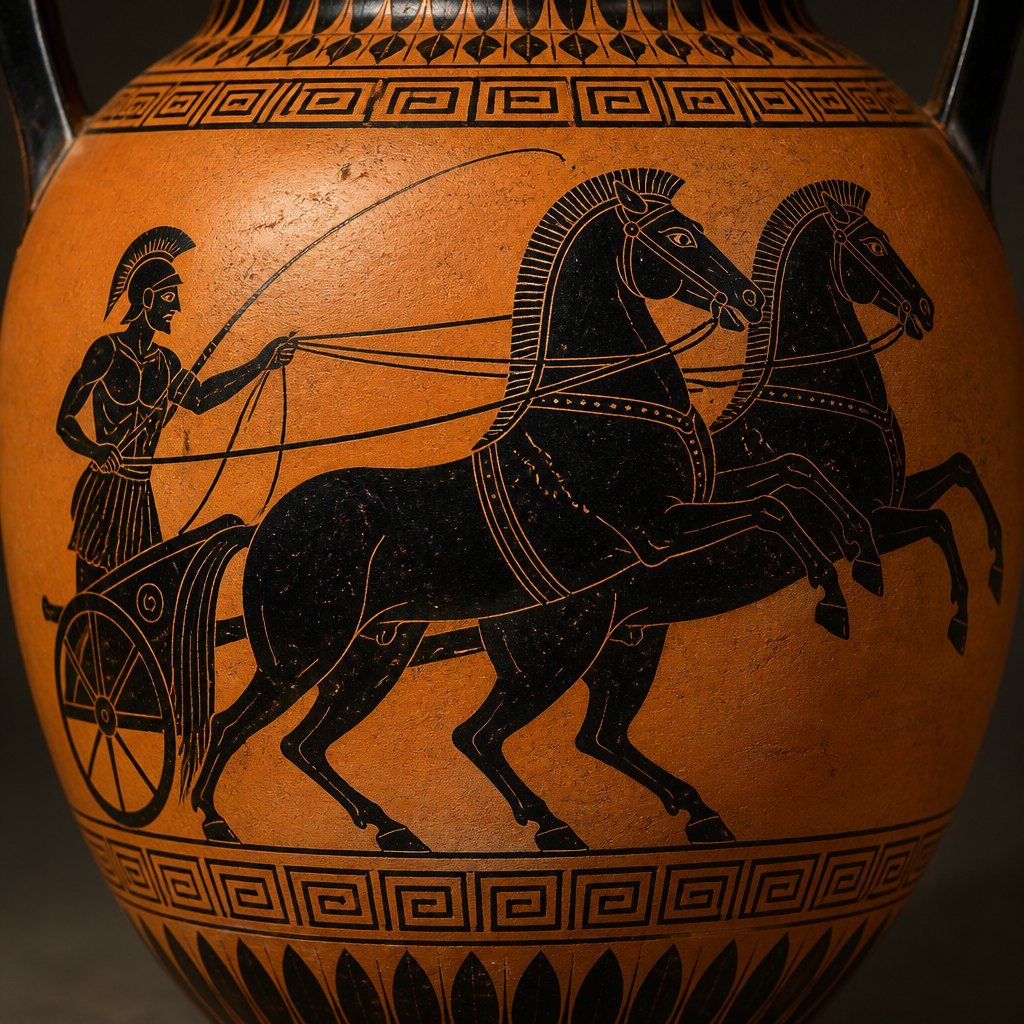 AI-generated
Make it yourself
Create art in the Ancient Greek Art spirit
This interpretation was generated from a prompt like: “A black-figure amphora painting of two rearing chariot horses in profile, terracotta orange clay ground, glossy black silhouettes with fine incised detail, geometric meander border, museum lighting on curved ceramic surface.”
Open the Ancient Greek Classical Art Style generator →How to evoke the period
To evoke Greek art, center a single idealized human or animal figure in calm, balanced motion — weight shifted onto one leg, proportions measured and even. Work in pale marble white or warm terracotta orange-and-black, depending on whether you are evoking sculpture or painted pottery. For a pottery look, silhouette figures in flat black or red against fired clay, with fine incised detail and a repeating geometric border. For a sculptural look, suggest carved drapery that clings and folds naturally over the body, smooth stone surface, and soft, even light as if lit inside a temple colonnade. Columns, pediments, and low relief friezes make strong architectural backdrops. Favor stillness and poise over exaggerated drama unless evoking a later, more emotional register.
What it left behind
Greek art fixed the human body as Western art's central subject, a template Roman art copied directly and the Renaissance later revived as its founding inspiration. Its architectural orders, Doric, Ionic, Corinthian, remain in active use in public buildings today. Its pursuit of naturalistic anatomy, balanced proportion, and convincing movement became the baseline against which centuries of later Western sculpture measured itself, even when artists worked to reject it. Hellenistic art's turn toward emotion and everyday subject matter opened doors Roman portraiture and later realist traditions would walk through. Even the idea of an artist as a named individual, praised for personal innovation, traces back to how the Greeks talked about their sculptors and painters.
Frequently asked questions
What is Ancient Greek art?
Ancient Greek art is the art of the Greek city-states and their colonies from about 900 to 31 BCE, spanning painted pottery, temple architecture, and sculpture that established idealized, naturalistic depiction of the human body.
What are the main periods of Ancient Greek art?
Geometric (pattern-based pottery), Archaic (early stiff stone figures), Classical (idealized, naturalistic sculpture and major temples), and Hellenistic (more emotional, dynamic, and varied after Alexander the Great's conquests).
Were Greek statues originally white?
No. Greek marble and bronze sculpture was originally painted in bright colors with inlaid eyes and gilded details; the bare stone or weathered green look familiar today results from paint loss over centuries.
What is contrapposto?
Contrapposto is a standing pose where weight rests on one leg, causing the hips and shoulders to counterbalance each other, giving sculpture a relaxed, lifelike stance instead of rigid, symmetrical frontality.