 Art
Art
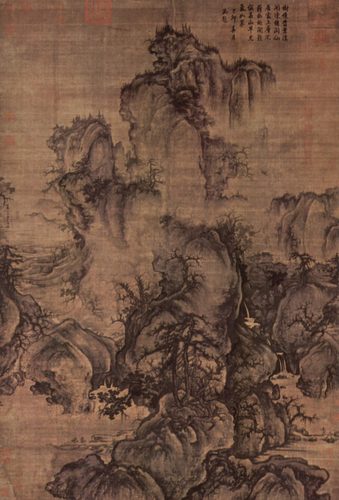
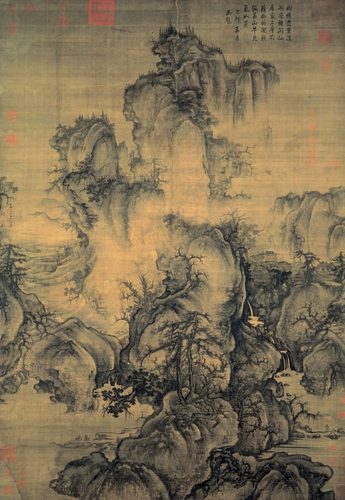
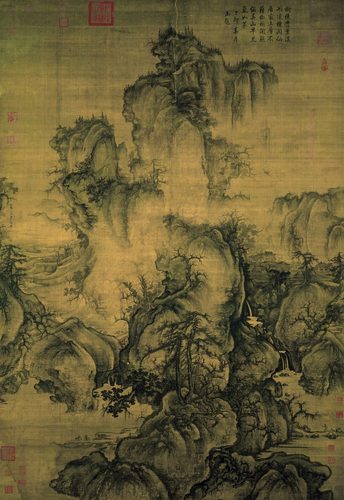
Song Dynasty art refers to the painting, ceramics, and calligraphy produced in China from 960 to 1279, an era that shifted the center of artistic prestige from Buddhist temple sculpture toward landscape painting, scholarly aesthetics, and refined ceramic glaze. The Song court, established after decades of division, prized civil administration and literary culture over military conquest, and a scholar-official class, trained through examination, became art's most influential patrons and practitioners. Landscape painting reached a technical and philosophical high point, with painters using ink monochrome to suggest vast mountains, mist, and space through empty paper as much as through brushwork, reflecting contemplative Daoist and Buddhist ideas about nature and the self. Ceramic production matured into some of the most admired glazes in Chinese history, prized for subtle color and understated form rather than surface decoration. In 1127, northern invasion forced the court south, splitting the dynasty into Northern and Southern Song phases and shifting artistic centers toward the Yangtze region, where painting grew more intimate and atmospheric. Throughout, Song art favored restraint, close observation of nature, and philosophical depth over the cosmopolitan display that had defined the preceding Tang.
The look: what defines Song Dynasty Art
Monochrome Ink Landscapes
Painters built vast mountain and river scenes almost entirely in black ink, using varied brush texture and empty paper to suggest mist, distance, and space rather than filling every surface with color or detail.
Monumental Northern Landscapes
Early Song landscape painting favored towering, almost architectural mountain compositions viewed from a low vantage point, dwarfing any human presence and expressing nature's overwhelming scale relative to fleeting human affairs and ambition.
Refined Monochrome Ceramics
Song kilns produced glazes prized for subtle, understated color — pale celadon green, crackled ivory-white, sky blue — valued for surface quality and restrained form rather than painted decoration or bright ornament.
Intimate Southern Landscapes
After the court's move south in 1127, painting grew more atmospheric and asymmetrical, with compositions leaving large areas of blank paper or silk to suggest mist and distance, a quieter mood than earlier monumental scenes.
Scholar-Painter Aesthetics
Educated officials painted alongside professional court artists, prizing calligraphic brushwork, poetic allusion, and personal expression over technical display, a value system that positioned painting as a literary art akin to poetry and calligraphy.
Detailed Bird-and-Flower Painting
A dedicated genre of closely observed birds, flowers, and small creatures flourished at court, rendered with meticulous naturalism and delicate color, prized for capturing a single fleeting moment of natural life.
The story
The Song Dynasty was founded in 960, reunifying China after decades of division following the Tang collapse. Rather than pursuing the sweeping territorial ambition of earlier dynasties, the Song court invested heavily in civil administration, the examination system, and cultural production, elevating scholar-officials to unprecedented influence over both governance and the arts.
This Northern Song period, lasting until 1127, produced the era's monumental landscape painting tradition, court-sponsored painting academies, and some of the most technically refined ceramic kilns in Chinese history. Imperial patronage of painting became formalized through an academy that tested and trained artists, elevating painting's status alongside poetry and calligraphy as a mark of cultivation.
In 1127, invasion by the Jurchen-led Jin dynasty forced the Song court to abandon its northern capital and relocate south to Hangzhou, beginning the Southern Song period. Artistic centers shifted accordingly, and landscape painting grew more intimate and atmospheric, often composed around a single asymmetrical mass balanced by empty space. The dynasty finally fell in 1279 to the Mongol conquest that established the Yuan Dynasty, but Song painting and ceramic technique remained the standard against which later Chinese art measured itself for centuries.
Timeline
- 960 CESong Dynasty founded, reunifying China
- 1080c. 1080: Guo Xi's landscape treatise articulates Northern Song painting theory
- 1100Emperor Huizong ascends, becoming the era's greatest imperial art patron
- 1127Jin invasion forces the court south, beginning the Southern Song
- 1138Hangzhou formalized as the Southern Song capital
- 1200c. 1200: asymmetrical 'one-corner' landscape composition flourishes in the south
- 1279Mongol conquest ends the Song Dynasty
Works to know
| Work | Maker | Date | Why it matters |
|---|---|---|---|
| Travelers Among Mountains and Streams | Fan Kuan | c. 1000 | Towering monumental landscape epitomizing Northern Song scale and brush technique. |
| Early Spring | Guo Xi | 1072 | Monumental Northern Song landscape balancing towering peaks with atmospheric mist. |
| A Thousand Li of Rivers and Mountains | Wang Ximeng | 1113 | Vast blue-and-green landscape handscroll painted by a court prodigy under imperial patronage. |
| Along the River During the Qingming Festival | Zhang Zeduan | early 12th century | Panoramic handscroll of daily urban life, among the most celebrated works of Chinese narrative painting. |
| Ru Ware Celadon Ceramics | Unknown | c. 1100 | Pale blue-green glazed ceramics made briefly for the imperial court, among the most prized wares in Chinese history. |
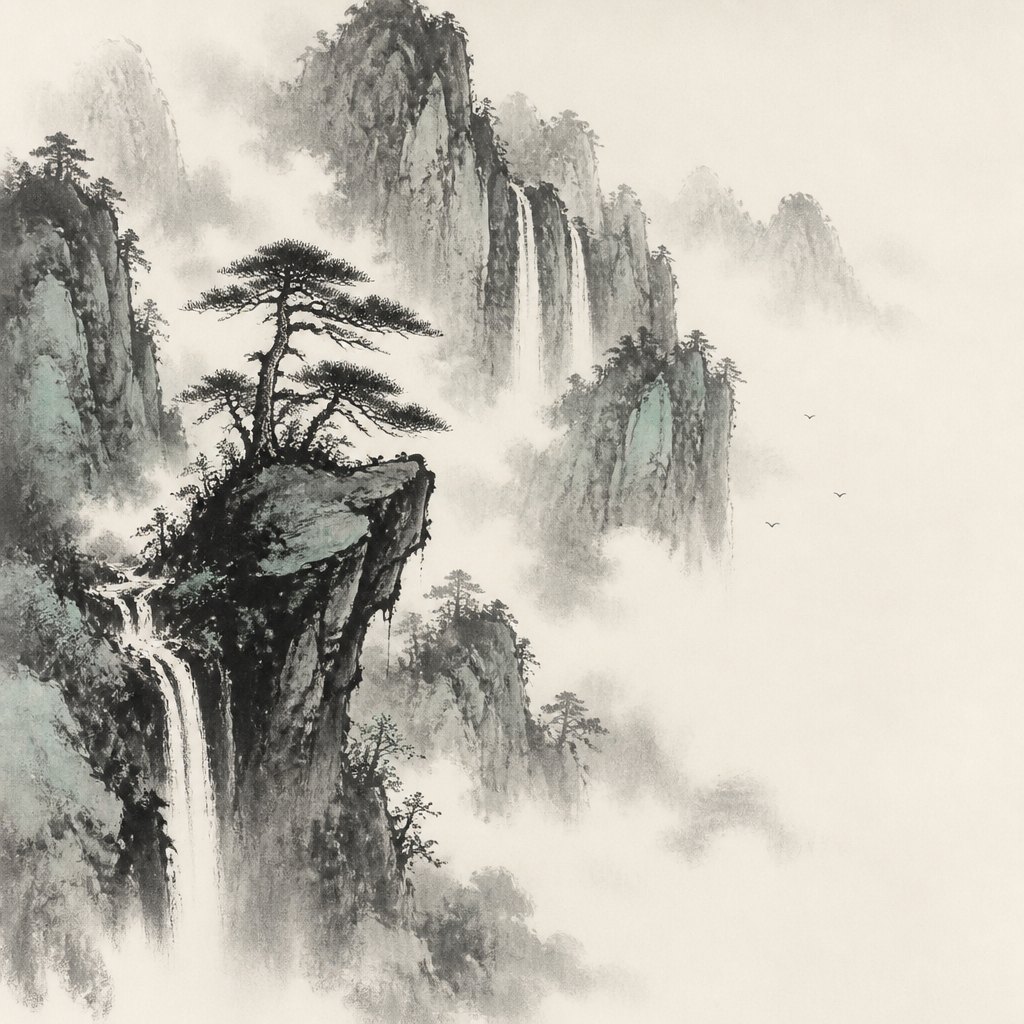 AI-generated
Make it yourself
Create art in the Song Dynasty Art spirit
This interpretation was generated from a prompt like: “A monochrome ink landscape of towering mist-shrouded mountains, a lone pine clinging to a rocky outcrop, cascading waterfall fading into blank paper, restrained brushwork, pale celadon-toned accents, quiet atmospheric depth, traditional scroll composition.”
Open the Song Dynasty Ink Painting Style generator →How to evoke the period
Work mostly in ink monochrome, letting brush texture and blank paper do as much work as filled-in detail. Build compositions around a single dominant mountain mass, misty gaps, and a small, humble presence within a much larger natural world. For a Southern-style mood, push the main subject to one corner and leave the rest of the space open and atmospheric. If depicting ceramics or objects, favor pale celadon green, ivory crackle, or sky blue over painted decoration, letting glaze and form carry the interest. Keep brushwork visible and varied rather than smooth, and favor quiet, contemplative subjects — mist, water, distant peaks — over busy or crowded scenes.
What it left behind
Song landscape painting set the philosophical and technical standard that Chinese painters returned to for the rest of imperial history, and its emphasis on brushwork, empty space, and poetic mood shaped ink painting across Korea and Japan as well. The scholar-painter ideal, valuing personal expression and literary allusion over technical polish, became the dominant framework for elite Chinese art criticism for centuries. Song ceramic glazes, especially celadon and other monochrome wares, remain benchmarks of refined technique still studied and collected today. The dynasty's habit of pairing painting, poetry, and calligraphy as linked literati arts also shaped how later Chinese culture thought about the relationship between the three disciplines.
Frequently asked questions
What is Song Dynasty art?
Song Dynasty art is the painting, ceramics, and calligraphy of China from 960 to 1279, known for monochrome ink landscapes, refined ceramic glazes, and a scholar-official culture that prized restraint and observation.
When was the Song Dynasty?
The Song Dynasty ruled China from 960 to 1279, split into a Northern Song phase until 1127 and a Southern Song phase afterward, following invasion that pushed the court south.
What is Song Dynasty landscape painting known for?
Song landscape painting is known for monochrome ink, vast mountain scenes built from varied brush texture, and the use of empty space to suggest mist, distance, and philosophical contemplation of nature.
What are Song Dynasty ceramics prized for?
Song ceramics, especially celadon, Ru, and Ding wares, are prized for subtle, understated glaze color and refined form rather than painted decoration, considered among the finest achievements in Chinese ceramic history.